

Key takeaways
- Daily brewed coffee: 36 g roasted coffee
- Weekly requirement: 36 × 7 = 252 g roasted coffee
- With 15% roasting loss: 252 ÷ 0.85 = about 297 g green coffee
- A 120 g roaster needs three batches per week; a 250 g roaster needs two; a 450 g roaster can finish the job in one batch
The best small batch coffee roaster for most home kitchens is a 100–250 g drum or fluid-bed machine with adjustable heat, visible roast development, a dedicated cooling cycle, and a practical way to control smoke; choose a smaller 100–120 g roaster for tight spaces or a 250–450 g model if you roast several times a week.
Our top picks
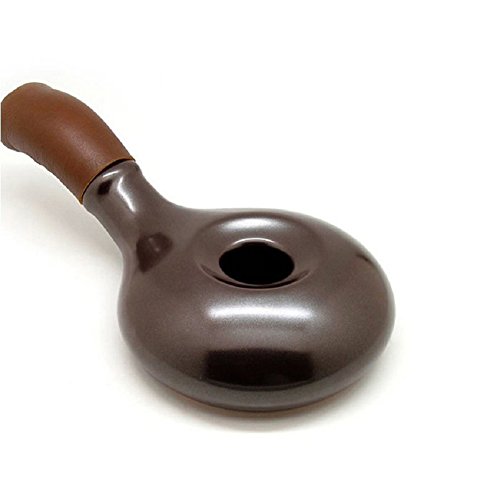
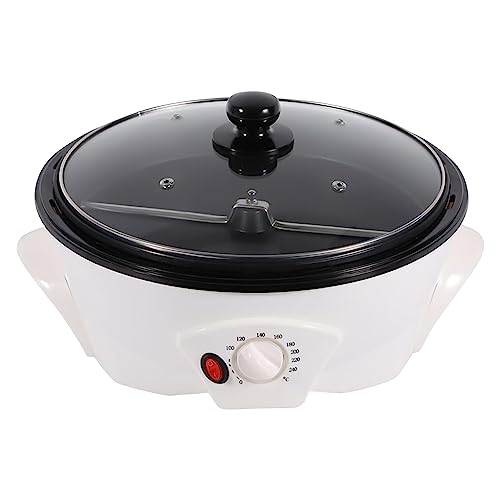


As an Amazon Associate we earn from qualifying purchases at no extra cost to you. Ratings are shown as listed on Amazon.
Best small batch coffee roasters by situation
| Best for | Recommended type or model | Typical batch size | Why it fits | Main compromise |
|---|---|---|---|---|
| Smallest workspace | Kaffelogic Nano 7 | 100–120 g | Compact countertop design, profile-based control, quick cooling | Small batches and a higher purchase price than basic air roasters |
| Learning roast control | FreshRoast SR800 | Up to about 226 g, depending on bean and roast | Visible beans, adjustable fan and heat, inexpensive entry point | Chaff and smoke management require more kitchen planning |
| Quiet, simple drum roasting | Gene Cafe CBR-101 | Up to 250 g | Rotating glass roasting chamber and straightforward temperature/time controls | Cooling is less automated than on some newer machines |
| Frequent larger home batches | Behmor 2000AB Plus | Up to 454 g | Drum roasting, several roast programs, built-in smoke-reduction design | Large footprint and slower heat-up and cooling than small air roasters |
| Profile automation | Sandbox Smart R2 | About 200 g | Digital profiles and app-oriented control in a compact drum format | More dependence on electronics and software than manual machines |
Capacities are manufacturer-oriented maximums, not necessarily the best starting load. Many roasters produce more even results when operated below their maximum, especially with dense green coffee or light roasts.
What matters more than the advertised capacity
Batch size and roasting frequency
A 250 g green-coffee load generally produces roughly 205–215 g after roasting because coffee loses approximately 12–18% of its mass. A 120 g load may finish at about 100–105 g. That means a 250 g roaster supplies around two 18 g brewed servings, while a 120 g roaster supplies approximately five to six servings.
Use this calculation before choosing a machine:
- Daily brewed coffee: 36 g roasted coffee
- Weekly requirement: 36 × 7 = 252 g roasted coffee
- With 15% roasting loss: 252 ÷ 0.85 = about 297 g green coffee
- A 120 g roaster needs three batches per week; a 250 g roaster needs two; a 450 g roaster can finish the job in one batch
Small batches are not automatically inefficient. A 100–120 g roaster can be a sensible choice if you enjoy changing coffees, roast only for yourself, or want beans to rest for a few days rather than storing a large supply.
Roast control
Basic air roasters use airflow to lift and agitate the beans. They make the beans easy to see and often reach first crack quickly, but the fan, heat, and bean mass interact in ways that can make darker roasts or large loads difficult. The FreshRoast SR800 gives the user direct control over fan and heat settings, making it useful for learning how changes affect development.
Drum roasters generally provide more thermal mass and a gentler tumbling action. They can be more forgiving for medium and darker roasts, although the beans may be harder to observe through a small window. Models such as the Gene Cafe CBR-101 use a visible rotating chamber, while the Behmor 2000AB Plus uses a larger drum and programmed roast modes.
Profile-driven models such as the Kaffelogic Nano 7 and Sandbox Smart R2 are appealing when repeatability matters more than constant manual adjustment. They can reduce guesswork, but a profile made for one bean may not translate perfectly to another. Green coffee density, processing method, moisture, and ambient temperature still affect the result.
Smoke handling, chaff, and cooling: the kitchen realities
Smoke
Roasting coffee creates smoke, particularly as the roast approaches second crack. A “smoke suppression” feature reduces visible smoke but does not make indoor roasting odor-free or eliminate the need for ventilation. A range hood that vents outdoors is preferable to a recirculating hood. Keep the roaster away from cabinets, curtains, and smoke alarms that could be triggered by the roast.
The Behmor 2000AB Plus is designed with smoke reduction in mind and is often more practical for indoor use than an open air roaster, but it still benefits from ventilation. Small fluid-bed machines can discharge hot air and chaff directly into the room unless paired with an appropriate exhaust arrangement. Never improvise a sealed duct around a roaster: restricted airflow can affect temperature control and create a safety hazard.
Chaff collection
Chaff is the papery layer released from the coffee bean. Air roasters usually separate it into a collector, but fine fragments can escape when the collector is removed. Drum roasters may hold chaff in a tray or chamber that is less obvious to empty. Check the collection area after every roast; accumulated chaff is both messy and combustible.
Cooling
Cooling is part of the roast, not an optional finishing step. Beans left hot in a drum continue developing and can become darker and more bitter than intended. Look for a dedicated cooling cycle that moves a substantial amount of air across the beans. Smaller air roasters often cool quickly, while larger drum machines can take longer because the drum and surrounding components retain heat.
Countertop fit and operating space
Measure more than the machine’s listed footprint. Leave room above the unit for hot exhaust, behind it for ventilation, and beside it for removing a chaff collector or roasting chamber. A compact roaster that fits between appliances may still be impractical if its cooling exhaust points beneath an upper cabinet.
| Roaster category | Typical footprint | Typical batch | Approximate roast plus cooling time | Best placement |
|---|---|---|---|---|
| Compact air roaster | About 20–25 cm wide | 100–225 g | 10–18 minutes | Near outdoor-vented extraction |
| Compact drum roaster | About 25–35 cm wide | 200–250 g | 15–25 minutes | Countertop with clear overhead space |
| Large home drum roaster | About 35–45 cm wide | 350–450 g | 20–35 minutes | Dedicated, well-ventilated counter |
Dimensions and times vary with voltage, ambient temperature, green-bean density, and roast level. Treat these as planning ranges rather than guarantees.
Ownership costs and maintenance
Entry-level small air roasters commonly fall in the general market range of about $200–$350, compact profile-controlled machines often cost roughly $500–$1,000, and larger home drum roasters commonly range from $400–$700. Green coffee is usually less expensive per finished kilogram than roasted specialty coffee, but the savings are partly offset by electricity, shipping, replacement screens, and the value of your time.
The most common wear points are airflow screens, chaff collectors, chamber seals, drive belts, and heating elements. On drum machines, bearings and the drum drive may eventually need service; on air machines, clogged screens can reduce airflow and alter the roast. Availability of replacement parts matters more than a small difference in maximum capacity.
After every roast, allow the machine to cool, then empty chaff and brush loose debris from accessible areas. Do not wash electrical components or immerse a roasting chamber unless the manufacturer specifically permits it. Periodically inspect vents and screens for oil or chaff buildup. Roasting very oily dark beans increases residue and may shorten cleaning intervals.
Common mistakes when choosing a small roaster
- Buying by maximum capacity alone: the largest stated load may roast unevenly in your preferred style.
- Ignoring ventilation: smoke handling is a kitchen-layout issue, not merely a machine specification.
- Skipping a scale: consistent green-bean weight makes roast comparisons meaningful.
- Overlooking cooling time: a machine that roasts quickly may still take several minutes before the beans are safe to handle.
- Starting with very dark roasts: they produce more smoke and oil, making cleanup harder while you are still learning the controls.
- Using a profile without adjusting it: every coffee behaves differently, so record charge weight, time, temperature settings, and the appearance of first crack.
Bottom line
Choose the Kaffelogic Nano 7 or another compact 100–120 g profile roaster when space and repeatability matter most. Choose the FreshRoast SR800 when you want an affordable, visible learning platform and can manage ventilation and chaff. The Gene Cafe CBR-101 suits users who prefer a relatively quiet 250 g drum format, while the Behmor 2000AB Plus is better for frequent larger batches and a dedicated, well-ventilated counter. Whichever model you select, prioritize the batch size you will actually use, accessible replacement parts, effective cooling, and a realistic cleanup routine over an impressive maximum capacity.





Write Your Review
No reviews yet. Be the first to share your experience!