

Key takeaways
- Shipping cost: Confirm whether delivery is included, charged per bag, or waived only above a spending threshold. A $22 bag with $6 shipping costs $28, or about $2.33 per ounce for a 12-ounce bag.
- Frequency: Look for weekly, biweekly, three-week, and four-week options. A four-week plan is not the same as a calendar-month plan.
- Bag count: Check whether a “two-bag” shipment can contain two different coffees or automatically repeats the same one.
- Grind: Whole bean is generally the best freshness choice if you own a burr grinder. Select ground coffee only when convenience outweighs the faster loss of aroma.
- Pause controls: A useful account should let you skip the next shipment without canceling the subscription.
- Cancellation timing: Cancel before the next renewal or processing date. Once an order has entered fulfillment, cancellation may stop future shipments but not that shipment.
- Price changes: Promotional introductory pricing may not continue. Record the normal renewal price and shipping charge before completing checkout.
The best premium coffee subscription for most households is a flexible, whole-bean service that roasts to order or ships within a few days of roasting, offers 8–12-ounce bags, and lets you pause or cancel online; among established options, Trade Coffee is strongest for broad customization, Atlas Coffee Club for origin discovery, Blue Bottle for a polished single-roaster experience, and Onyx Coffee Lab for detailed specialty-coffee control.
Our top picks


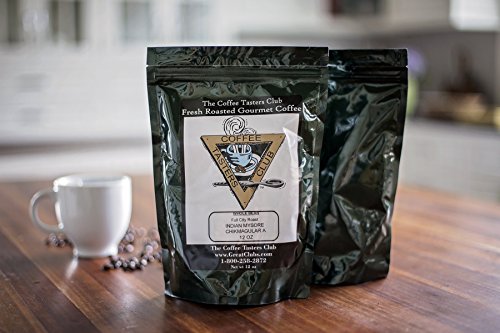
As an Amazon Associate we earn from qualifying purchases at no extra cost to you. Ratings are shown as listed on Amazon.
Quick picks by buying situation
| What matters most | Best fit | Why it stands out | Typical monthly coffee cost |
|---|---|---|---|
| Many roast styles and maximum choice | Trade Coffee | Large partner-roaster selection, preference quiz, and adjustable delivery cadence | $20–$35 for one 12-ounce bag, before or including shipping depending on selection |
| Trying coffee from different countries | Atlas Coffee Club | Origin-focused shipments with educational material and selectable grind options | $18–$30 for a 12-ounce shipment, depending on plan and shipping |
| Consistent, refined everyday coffee | Blue Bottle Coffee | Reliable house blends and single-origin choices from one established specialty roaster | $18–$30 for roughly 8–12 ounces |
| Detailed specialty-coffee information | Onyx Coffee Lab | Strong origin, process, and tasting-note detail, with coffees suited to filter or espresso | $22–$35 for approximately 10–12 ounces |
| Lowest commitment while learning preferences | A flexible multi-roaster subscription | Change frequency, roast level, grind, and number of bags without committing to a large shipment | $18–$30 per bag, plus any delivery charge |
Prices are broad 2026 market ranges rather than guaranteed quotes. Coffee origin, limited releases, bag size, shipping destination, and subscription discounts can change the total.
How the leading premium subscriptions compare
Trade Coffee: best for customization
Trade Coffee is a strong choice when you know you want specialty coffee but do not yet know which roaster or origin suits you. Its model connects subscribers with coffees from multiple American roasters rather than limiting every shipment to one company. That creates more variety than a single-roaster plan, but it also means roast dates, bag sizes, shipping charges, and cancellation policies can vary by coffee.
The useful customization is not simply choosing light or dark roast. You can usually refine recommendations around brew method, flavor preferences, whole bean versus ground coffee, and delivery timing. This makes Trade especially suitable for households that alternate between a pour-over brewer and an espresso machine. Check the individual coffee listing before subscribing: the freshest option is usually the one with a clearly stated recent roast date and a shipment schedule that does not leave the bag sitting in transit for a week.
Atlas Coffee Club: best for origin-led discovery
Atlas Coffee Club is designed around the experience of receiving coffee from different producing regions. Its shipments commonly include origin information and preparation guidance, making it approachable for someone who wants to learn how coffees from different countries can vary in acidity, sweetness, body, and processing character.
Atlas is less appropriate if you need the same espresso blend every week or want to select a specific farm, process, or roast profile every time. Its appeal is discovery. Before ordering, choose whole bean if you have a grinder; otherwise select the grind that matches your brewer as closely as possible. Ground coffee loses aromatic quality faster after opening, so smaller and more frequent shipments are preferable for occasional drinkers.
Blue Bottle Coffee: best for consistency from one roaster
Blue Bottle Coffee suits buyers who prefer a curated menu and a recognizable house style over a rotating marketplace. Its subscription choices typically include blends and single-origin coffees, with options for whole bean or ground formats and schedules designed around regular household use.
The ownership advantage is simplicity: one roaster, predictable packaging, and a smaller learning curve. The trade-off is less control over the exact producer and less opportunity to compare many independent roasters in one account. It is a good match for someone who wants premium coffee without turning each delivery into a tasting project.
Onyx Coffee Lab: best for enthusiasts and espresso drinkers
Onyx Coffee Lab is a better fit for experienced buyers who care about processing method, producer information, roast development, and brew guidance. Its coffees often provide more technical detail than a general subscription, which helps a capable brewer adjust grind size, water temperature, and recipe.
That detail can be wasted if your coffee routine is a fully automatic machine and you do not want to adjust settings. Onyx also tends toward the premium end of the price range, particularly for limited or high-demand coffees. For espresso, confirm that the selected coffee is suitable for espresso and allow enough time after roasting for it to settle; very fresh beans can produce excessive gas and unstable shots.
Freshness: the detail that changes the value
A “fresh” subscription should tell you more than the word fresh. Look for a roast date, a dispatch window, or a clear statement that coffee is roasted after ordering. A practical target is to receive whole beans within roughly 7–21 days of roasting, then use them while they still produce clear aroma and balanced flavor. Espresso may benefit from a longer resting period, often about 10–21 days, while filter coffee can be enjoyable sooner.
Do not confuse roast-to-order with immediate delivery. A coffee roasted after you order may spend additional days waiting for dispatch. Conversely, a roaster shipping from nearby may deliver a coffee roasted several days earlier in better condition than a distant roaster using slower service.
Bag size and frequency: calculate before subscribing
A typical 12-ounce bag contains about 340 grams. At a 16-gram dose per brewed cup, that produces approximately 21 cups:
340 grams ÷ 16 grams per cup = 21.25 cups.
If two people each drink one cup daily, one bag lasts about 10 days. A monthly delivery of one 12-ounce bag would therefore be too small, while two bags every four weeks would provide a modest buffer. Espresso drinkers using an 18-gram double shot get approximately 18 shots from the same bag.
For occasional drinkers, an 8-ounce bag delivered every three or four weeks can reduce staleness. For a busy two-person household, two 12-ounce bags every four weeks is usually more practical. Larger bags can reduce packaging and sometimes lower the per-ounce price, but they are poor value if the beans go flat before you finish them.
Shipping, cancellation, and customization checklist
- Shipping cost: Confirm whether delivery is included, charged per bag, or waived only above a spending threshold. A $22 bag with $6 shipping costs $28, or about $2.33 per ounce for a 12-ounce bag.
- Frequency: Look for weekly, biweekly, three-week, and four-week options. A four-week plan is not the same as a calendar-month plan.
- Bag count: Check whether a “two-bag” shipment can contain two different coffees or automatically repeats the same one.
- Grind: Whole bean is generally the best freshness choice if you own a burr grinder. Select ground coffee only when convenience outweighs the faster loss of aroma.
- Pause controls: A useful account should let you skip the next shipment without canceling the subscription.
- Cancellation timing: Cancel before the next renewal or processing date. Once an order has entered fulfillment, cancellation may stop future shipments but not that shipment.
- Price changes: Promotional introductory pricing may not continue. Record the normal renewal price and shipping charge before completing checkout.
What premium subscriptions do not solve
Fresh beans cannot compensate for a poor grinder, incorrect storage, or an unsuitable brew recipe. Store coffee in its original sealed bag or an airtight, opaque container away from heat, light, and moisture. Avoid the refrigerator, where condensation and food odors can damage the beans. Grind immediately before brewing, and change only one variable at a time when adjusting flavor.
The grinder burrs are commonly the first important wear item in a home setup. Dull burrs produce more fines and uneven particles, making a coffee taste simultaneously bitter and thin. Clean the grinder periodically according to its manufacturer’s instructions, but do not wash electrical components or use rice as a substitute for proper grinder cleaning. Recalibrate the grind when switching origins or roast levels, because the same setting will not suit every subscription delivery.
Final recommendation
Choose Trade Coffee if customization and trying different roasters matter most. Choose Atlas Coffee Club for guided geographic discovery, Blue Bottle for dependable one-roaster convenience, and Onyx Coffee Lab when you want technical detail and serious brewing options. Whichever service you choose, prioritize a recent roast date, a delivery interval matched to your actual consumption, transparent shipping, and an easy pause or cancellation process. Those terms determine whether a premium subscription delivers fresher coffee—or simply sends more coffee than you can use.




Write Your Review
No reviews yet. Be the first to share your experience!