

Key takeaways
- 4 medium apples, about 680 g, peeled or unpeeled and sliced ¼ inch thick
- 1 tablespoon lemon juice
- 2 tablespoons granulated sugar
- 1 teaspoon ground cinnamon
- ¼ teaspoon fine salt
- 90 g old-fashioned rolled oats
- 65 g all-purpose flour
- 75 g packed light brown sugar
- 85 g cold unsalted butter, cut into cubes
- 60 g chopped pecans or walnuts
The best fall baking recipes are the ones matched to your available time and appliance: use a food processor for fast pastry, a stand mixer for large batches and enriched dough, and a reliable oven with even heat for cakes, breads, and roasted fruit. Start with the recipes below by prep time, then choose the appliance setup that fits your kitchen, experience level, and cleanup tolerance.
All temperatures are for a conventional oven unless noted. If using convection, reduce the temperature by 25°F and begin checking 3–5 minutes early. Ingredient weights are included where they improve consistency, especially for flour and pastry.
Our top picks
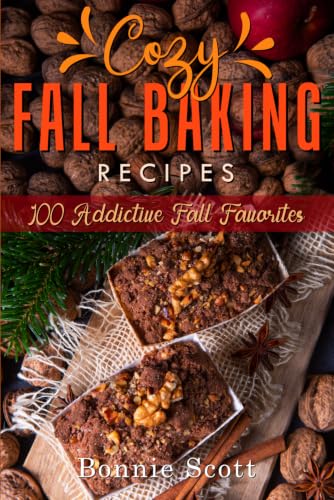


As an Amazon Associate we earn from qualifying purchases at no extra cost to you. Ratings are shown as listed on Amazon.
Quick comparison: which appliance fits your fall baking?
| Appliance or setup | Best for | Useful specifications | Typical market range in 2026 |
|---|---|---|---|
| Countertop convection oven | Small batches, renters, quick cookies | 0.5–1.0 cubic foot; 1–2 quarter-sheet pans; 1,500–1,800 watts | $100–$400 |
| Full-size electric oven | Layer cakes, pies, bread, multiple trays | 4.8–6.0 cubic feet; 2–3 racks; 2,400–3,500 watts | $700–$2,500 installed |
| 5–7 quart stand mixer | Cookies, buttercream, brioche, double batches | 5–7 qt bowl; 300–1,000 watts depending on design; dough hook and paddle | $250–$700 |
| Hand mixer | Occasional cakes, whipped cream, small kitchens | 5–9 speed settings; 150–300 watts; detachable beaters | $25–$100 |
| 10–14 cup food processor | Pie dough, crumb toppings, chopped nuts and fruit | 2.5–3.5 qt work bowl; S-blade; shredding or slicing disc | $100–$350 |
Capacity is more useful than wattage alone. A 5-quart mixer can usually handle a standard cookie batch, while a 7-quart bowl is more comfortable for doubling recipes. For pastry, the bowl size matters less than a pulse function and a wide feed tube that lets you add liquid gradually.
Fall baking recipes ready in 30 minutes or less
Apple-cinnamon skillet crisp: 10 minutes prep, 25 minutes baking
This is the fastest option when you want a warm dessert without rolling dough. A food processor makes the oat topping in seconds, but you can also rub the butter in by hand.
Ingredients:
- 4 medium apples, about 680 g, peeled or unpeeled and sliced ¼ inch thick
- 1 tablespoon lemon juice
- 2 tablespoons granulated sugar
- 1 teaspoon ground cinnamon
- ¼ teaspoon fine salt
- 90 g old-fashioned rolled oats
- 65 g all-purpose flour
- 75 g packed light brown sugar
- 85 g cold unsalted butter, cut into cubes
- 60 g chopped pecans or walnuts
Heat the oven to 400°F and lightly butter a 10-inch oven-safe skillet or 2-quart baking dish. Toss the apples with lemon juice, granulated sugar, cinnamon, and salt. Pulse the oats, flour, brown sugar, butter, and nuts in a food processor 6–8 times, stopping when the mixture forms irregular crumbs. Scatter it over the apples and bake for 22–25 minutes, until the fruit bubbles at the edges and the topping is browned.
Appliance guidance: Do not continuously process the topping; warm butter and a paste-like mixture produce a dense crust. If using a countertop convection oven, use a shallow metal pan and check at 20 minutes because the exposed topping browns quickly.
Pumpkin sheet-pan snack cake: 15 minutes prep, 30–35 minutes baking
A hand mixer is sufficient for this moist, single-layer cake. It is a better choice than a stand mixer when the batter takes less than two minutes to combine.
Ingredients:
- 190 g all-purpose flour
- 1 teaspoon baking powder
- ½ teaspoon baking soda
- 1 teaspoon ground cinnamon
- ½ teaspoon ground ginger
- ¼ teaspoon ground nutmeg
- ½ teaspoon fine salt
- 2 large eggs
- 150 g light brown sugar
- 120 ml neutral oil
- 240 g pumpkin puree
- 1 teaspoon vanilla extract
Heat the oven to 350°F. Whisk the flour, leaveners, spices, and salt in one bowl. Beat the eggs and sugar with a hand mixer for 60 seconds, then mix in the oil, pumpkin, and vanilla. Fold in the dry ingredients just until no dry streaks remain. Spread in a greased 9-by-13-inch metal pan and bake for 30–35 minutes, until a toothpick comes out with a few moist crumbs.
Use plain pumpkin puree rather than pumpkin pie filling, which already contains sugar and spices. The main mistake is overmixing after the flour is added; excessive gluten makes this cake rubbery instead of tender.
Fall baking recipes for a one-hour baking window
Food-processor maple pecan pie bars: 20 minutes prep, 35 minutes baking
These bars deliver pie flavor without the precision required to transfer a round crust into a pie plate. The food processor is ideal for the short crust because it limits handling and keeps the butter cold.
Crust ingredients:
- 180 g all-purpose flour
- 40 g powdered sugar
- ½ teaspoon fine salt
- 115 g cold unsalted butter, cubed
- 1 tablespoon ice water, plus more only if needed
Filling ingredients:
- 100 g packed light brown sugar
- 120 ml pure maple syrup
- 2 large eggs
- 45 g melted unsalted butter
- 1 teaspoon vanilla extract
- ¼ teaspoon fine salt
- 180 g pecan halves, roughly chopped
Heat the oven to 350°F and line an 8-inch square metal pan with parchment. Pulse the flour, sugar, and salt, then add butter and pulse until pea-sized pieces remain. Add ice water one teaspoon at a time until the dough holds when pressed. Press it evenly into the pan and bake for 15 minutes.
Whisk the brown sugar, maple syrup, eggs, melted butter, vanilla, and salt. Stir in the pecans, pour over the warm crust, and bake for another 20–25 minutes. Cool completely before cutting; the filling firms as it cools.
Food-processor maintenance: Scrape the bowl with a silicone spatula rather than a metal utensil, and wash the blade promptly so butter and sugar do not harden around the hub. Let the blade dry fully before storage to reduce corrosion and odor retention.
Stand-mixer cranberry-orange muffins: 15 minutes prep, 20–24 minutes baking
Use a stand mixer only for the wet ingredients and add the flour by hand. The mixer’s power is useful for creaming butter, but it can overdevelop gluten once flour is present.
Ingredients:
- 240 g all-purpose flour
- 2 teaspoons baking powder
- ½ teaspoon fine salt
- 150 g granulated sugar
- Zest of 1 large orange
- 115 g softened unsalted butter
- 2 large eggs
- 120 ml milk
- 1 teaspoon vanilla extract
- 150 g fresh or frozen cranberries, halved if large
Heat the oven to 375°F and line a 12-cup muffin pan. Rub the orange zest into the sugar to release its oils. With the paddle attachment, cream the butter and orange sugar for 2 minutes, beat in the eggs one at a time, then mix in the milk and vanilla. Whisk the flour, baking powder, and salt separately; fold them into the wet mixture with the cranberries. Divide the batter among the cups and bake for 20–24 minutes.
Fill each cup about three-quarters full. If using frozen cranberries, do not thaw them, because their juice can streak the batter and lengthen the baking time.
Longer projects: breads and pastry for a relaxed weekend
Stand-mixer pumpkin dinner rolls: about 2½ hours
This recipe suits a 5–7 quart stand mixer because enriched dough is sticky and requires several minutes of kneading. It makes 12 rolls.
Ingredients:
- 120 ml warm whole milk, about 105°F
- 7 g instant yeast
- 35 g honey
- 240 g pumpkin puree
- 1 large egg
- 60 g melted unsalted butter, cooled slightly
- 500 g bread flour
- 10 g fine salt
Stir the milk, yeast, honey, pumpkin, egg, and butter in the mixer bowl. Add the flour and salt, then mix with the dough hook on low for 2 minutes. Knead on medium-low for 6–8 minutes, until the dough is smooth, elastic, and slightly tacky. Add flour by the tablespoon only if the dough remains liquid; too much extra flour makes dry rolls.
Cover and let rise until doubled, about 60–75 minutes. Divide into 12 pieces of approximately 80 g each, shape into balls, and arrange in a greased 9-by-13-inch pan. Let rise again for 30–40 minutes, then bake at 375°F for 18–22 minutes. Brush with melted butter immediately after baking.
The dough hook, bowl lock, and mixer transmission experience the most strain during bread making. Avoid exceeding the manufacturer’s recommended flour capacity, and stop if the mixer head walks across the counter or the motor develops a hot smell. Those are ownership signals, not reasons to knead longer.
All-butter apple galette: 30 minutes prep, 45 minutes chilling and baking
A galette is a forgiving alternative to a double-crust pie. A food processor is convenient, but the key factor is keeping the butter cold and leaving visible pieces in the dough.
Pastry ingredients:
- 190 g all-purpose flour
- 15 g granulated sugar
- ½ teaspoon fine salt
- 140 g cold unsalted butter, cubed
- 60–75 ml ice water
Filling and finish:
- 3 medium apples, about 500 g, thinly sliced
- 35 g granulated sugar
- 1 tablespoon all-purpose flour
- 1 teaspoon lemon juice
- ½ teaspoon cinnamon
- 1 egg beaten with 1 tablespoon water
- 1 tablespoon coarse sugar
Pulse the flour, sugar, and salt with the butter until the largest pieces are about the size of a pea. Add ice water gradually until the dough just comes together. Flatten it into a disk, wrap it, and chill for 30 minutes. Toss the apples with sugar, flour, lemon juice, and cinnamon.
Roll the dough into a 12-inch round on parchment. Leave a 2-inch border, arrange the apples in the center, and fold the edge over the fruit. Brush the pastry with egg wash and sprinkle with coarse sugar. Bake at 400°F for 40–45 minutes, rotating once, until the base is deep golden and the filling is bubbling.
How to choose the right fall baking setup
| Your situation | Best choice | Why it works | Main compromise |
|---|---|---|---|
| Small kitchen or baking once a month | Hand mixer plus 10-inch skillet | Low storage demand and enough power for cakes and whipped cream | Limited for bread and very large batches |
| Weekly cookies or family-size batches | 5-quart stand mixer | Consistent creaming and hands-free mixing | Heavy appliance that occupies roughly 1 square foot of counter space |
| Frequent pastry or chopped toppings | 10–14 cup food processor | Fast butter cutting, slicing, and nut chopping | Does not replace a mixer for creaming or kneading |
| Apartment oven with uneven heating | Oven thermometer plus light-colored metal pans | Reveals temperature error and reduces over-browning | Requires rotating pans and learning hot spots |
| Two or more baking sessions each week | Full-size oven and stand mixer | Supports bread, cakes, and batch baking without repeated setup | Higher purchase cost, storage, and cleaning time |
For oven accuracy, place an inexpensive oven thermometer on the center rack and compare it with the display after a 20-minute preheat. A 25°F error changes browning and bake time enough to explain recurring failures. Also measure your pans: a 9-by-13-inch pan has about 117 square inches of surface area, while an 8-inch square pan has about 64 square inches. Substituting the smaller pan without reducing the batter creates a deeper cake that needs more time and may burn at the edges before the center sets.
Durability, cleaning, and common mistakes
In mixers, the beater coating, speed-control switch, bowl-lift mechanism, and power cord are common wear points. In food processors, the work-bowl seal, lid latch, pusher, and sharpness of the blade matter more than maximum wattage. Replace cracked bowls, damaged seals, or blades that require force to cut; continuing to use them can create leaks or inconsistent processing.
Clean removable parts soon after use, but check the manual before putting attachments in a dishwasher. High heat can dull blades, warp lightweight plastic, or cloud clear bowls over time. Never immerse a mixer motor head or food-processor base. Wipe flour from ventilation openings with a dry or barely damp cloth, and leave bowls and lids completely open to air-dry.
Three mistakes affect nearly every fall baking recipe:
- Measuring flour by volume without fluffing: spoon flour into the cup and level it, or use 120–130 g per cup depending on the recipe standard.
- Ignoring ingredient temperature: cold butter creates flaky pastry, while softened butter creates a smooth cake batter. Do not interchange those states.
- Opening the oven repeatedly: wait until at least three-quarters of the stated baking time has passed unless the recipe specifically requires checking.
For batch planning, prepare dry ingredients for two recipes at once, but keep each recipe in a separate labeled bowl. This reduces measuring time without risking a doubled quantity of baking soda or salt. Let cakes and bars cool on a rack rather than in the pan, except for fruit crisps, whose residual heat helps soften the filling.
Frequently Asked Questions
What are the easiest fall baking recipes for beginners?
Apple-cinnamon skillet crisp and pumpkin sheet-pan cake are strong starting points because neither requires rolling pastry or shaping dough. They also tolerate small variations in fruit size and do not depend on precise layers. Use a scale for flour and check doneness with a toothpick or an instant-read thermometer.
Is a stand mixer necessary for fall baking?
No. A hand mixer handles cakes, muffins, frosting, and whipped cream, while a food processor handles many pastry tasks. A stand mixer becomes worthwhile when you make bread, large cookie batches, or recipes requiring 5–10 minutes of hands-free mixing.
Can I use canned pumpkin in these recipes?
Yes, use plain canned pumpkin puree and not canned pumpkin pie filling. Pumpkin puree varies slightly in water content between brands, so drain visibly watery puree briefly if the batter seems unusually loose. Do not substitute an equal volume of pumpkin pie filling without recalculating the sugar and spices.
Why does my pie dough become tough?
Tough pastry usually results from too much water, too much mixing, or warm butter. Pulse only until the dough holds when squeezed, chill it before rolling, and add water one teaspoon at a time. A few visible butter pieces are desirable because they create flaky layers.
How should I adapt fall baking recipes for a convection oven?
Reduce the temperature by 25°F and begin checking 3–5 minutes before the recipe’s minimum time. Leave space around pans so circulating air can reach the food, and rotate only if the oven manual recommends it. Convection browns toppings quickly, so loosely cover a pie or crisp with foil if the surface darkens before the center is done.
How far ahead can I prepare these recipes?
Cookie dough and galette pastry can usually be refrigerated for up to 3 days or frozen for about 2 months when tightly wrapped. Baked muffins and cakes are best within 1–2 days at room temperature, while fruit crisps can be refrigerated for up to 4 days and reheated in a 350°F oven. Cool baked goods completely before wrapping to prevent condensation and a soggy surface.





Write Your Review
No reviews yet. Be the first to share your experience!