

Key takeaways
- 30 ml gin, preferably a London dry style with noticeable citrus or floral notes
- 30 ml coffee-infused sweet vermouth
- 30 ml Campari
- One large, dense ice cube or several fresh stirring cubes
- One 5–7 cm strip of orange peel
The best coffee negroni recipe uses equal parts gin, Campari, and coffee-infused sweet vermouth, stirred with ice until properly diluted and finished with a wide orange peel.
Coffee Negroni Recipe at a Glance
| Ingredient | Amount | Purpose |
|---|---|---|
| London dry gin | 30 ml | Provides juniper, citrus, and alcohol structure |
| Coffee-infused sweet vermouth | 30 ml | Adds coffee aroma, sweetness, and fortified-wine depth |
| Campari | 30 ml | Supplies the Negroni’s bitter, herbal backbone |
| Ice | 120–180 g | Chills and dilutes the drink |
| Orange peel | 1 wide strip | Balances bitterness with fresh citrus oil |
Ingredients
- 30 ml gin, preferably a London dry style with noticeable citrus or floral notes
- 30 ml coffee-infused sweet vermouth
- 30 ml Campari
- One large, dense ice cube or several fresh stirring cubes
- One 5–7 cm strip of orange peel
The equal-parts structure is important. Gin keeps the drink aromatic, Campari supplies bitterness, and sweet vermouth rounds the finish. Coffee should add roasted complexity rather than turn the cocktail into a sweet coffee drink.
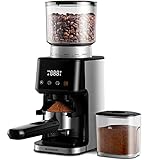
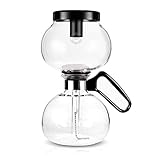
Our top picks


As an Amazon Associate we earn from qualifying purchases at no extra cost to you. Ratings are shown as listed on Amazon.
How to Make Coffee-Infused Sweet Vermouth
Cold infusion is the most controllable method because it extracts coffee aroma without pulling as much harsh roast bitterness. Use whole coffee beans rather than ground coffee; they are easier to strain and less likely to over-extract.
- Add 15 g of medium-roast whole coffee beans to 250 ml of refrigerated sweet vermouth.
- Seal the container and steep in the refrigerator for 4–6 hours.
- Taste after 4 hours. Stop the infusion when the vermouth smells clearly of coffee but still tastes like vermouth.
- Strain through a fine mesh strainer, then through a paper coffee filter if sediment remains.
- Store the strained vermouth in a sealed bottle in the refrigerator and use it within about 2–3 weeks for the best flavor.
A medium roast usually works better than a very dark roast. Dark beans can contribute smoke and sharp bitterness that compete with Campari. A chocolatey, nutty coffee is generally easier to balance than a strongly acidic light roast.
Quick Cold-Brew Alternative
If you do not want to infuse a full bottle of vermouth, prepare a small cold-brew concentrate. Combine 20 g of coarsely ground coffee with 100 ml of cold filtered water, steep for 12 hours in the refrigerator, and strain thoroughly. Use 10–15 ml of the concentrate in the cocktail while reducing the vermouth by the same amount.
For example, use 30 ml gin, 30 ml Campari, 15 ml sweet vermouth, and 15 ml cold-brew concentrate. This version is not a strict equal-parts Negroni, but it is useful when you want a more obvious coffee flavor without waiting for a vermouth infusion.
| Method | Preparation time | Coffee intensity | Best for |
|---|---|---|---|
| Whole-bean vermouth infusion | 4–6 hours | Moderate and integrated | A balanced, classic-style drink |
| Cold-brew concentrate | 12 hours | Moderate to strong | Drinkers who want a distinct coffee note |
| Hot brewed coffee | 5–10 minutes | Unpredictable and often watery | Not recommended for a stirred Negroni |
Step-by-Step Mixing Method
- Chill a rocks glass for several minutes, or fill it with ice while you mix the drink.
- Pour 30 ml gin, 30 ml coffee-infused sweet vermouth, and 30 ml Campari into a mixing glass.
- Add 120–180 g of fresh, hard ice. Use enough ice to keep the liquid cold while stirring.
- Stir smoothly for 20–30 seconds. This normally adds approximately 15–20 ml of meltwater, depending on the ice and room temperature.
- Strain over one large cube in the chilled rocks glass, or serve over fresh dense ice.
- Cut a wide orange peel, hold it skin-side down over the drink, and express the oils across the surface. Rub the peel around the rim, then place it in the glass.
Why Dilution Matters
The unmixed ingredients total 90 ml. A properly stirred cocktail usually gains around 15–20 ml of water, making the finished drink approximately 105–110 ml before the ice begins to melt further. That dilution softens the alcohol, integrates the bitter liqueur, and prevents the coffee from tasting concentrated or dusty.
If the drink tastes hot, medicinal, or aggressively bitter, stir for another 10 seconds with fresh ice and taste again. If it tastes thin, watery, or flat, the ice may have been too wet, the glass may have been warm, or the drink may have been stirred for too long. Large, solid cubes provide slower, more predictable dilution than small or cloudy ice.
Balancing Coffee, Sweetness, and Bitterness
Campari and coffee both contribute bitterness, but they do so differently. Campari is herbal and citrusy, while coffee brings roast, cocoa, and sometimes char. The vermouth provides sweetness to connect them. Changing the ratio too quickly can make the drink seem harsh, so adjust one element at a time.
- Too bitter: Use a lighter roast, shorten the infusion to 3–4 hours, or replace 5 ml of Campari with 5 ml additional sweet vermouth.
- Too sweet: Choose a drier-tasting sweet vermouth or add 5 ml more gin. Do not add coffee automatically, since extra coffee can increase bitterness.
- Not coffee-forward enough: Extend the whole-bean infusion by 1–2 hours or use a slightly more aromatic roast. Avoid adding dry grounds directly to the finished cocktail.
- Too acidic: The coffee may be too light-roasted or the cold brew may be over-extracted. Try a medium roast and a shorter steep.
- Too smoky: Replace dark-roast beans with medium-roast beans and clean the infusion container thoroughly.
Orange Garnish: The Easy Finishing Step
Use a vegetable peeler or sharp paring knife to cut a broad strip of orange peel with as little white pith as possible. The wider surface releases more fragrant oil than a narrow twist. Express the peel over the drink immediately before serving, because the aromatic oils are most noticeable when freshly released.
A dehydrated orange wheel can add visual appeal, but it contributes less fresh aroma than an expressed peel. Avoid squeezing orange juice into this recipe unless you deliberately want a sweeter, more citrus-driven variation; juice changes the drink from a stirred, spirit-forward cocktail into a different style.
Storage and Ownership Realities
Infused vermouth is the ingredient most likely to deteriorate. Keep it refrigerated in a tightly sealed bottle, minimize air space, and write the infusion date on the label. Coffee beans should be removed after steeping; leaving them in the vermouth can produce a woody, drying flavor.
Sweet vermouth is fortified but not shelf-stable indefinitely after opening. Refrigeration helps preserve its flavor, while a small bottle reduces waste if you make Negronis only occasionally. Straining equipment also matters: a fine mesh strainer removes beans, but a paper coffee filter produces a clearer infusion and prevents fine sediment from collecting in the glass.
Make the coffee negroni recipe once with the 30 ml equal-parts formula before adjusting it. That gives you a reliable reference point for deciding whether your coffee, vermouth, gin, or Campari needs changing.
Frequently Asked Questions
Can I use espresso?
Fresh hot espresso is usually too warm and concentrated for this drink, and its crema can make the texture cloudy. If espresso is your only option, chill it completely and use 10–15 ml, replacing the same amount of vermouth. Cold-brew concentrate is generally smoother.
Should I shake a coffee Negroni?
No. Stirring preserves the silky texture expected from a Negroni and provides controlled dilution. Shaking introduces air and can make the drink frothy or slightly cloudy.
Can I make a batch?
Yes. For four servings, combine 120 ml gin, 120 ml coffee-infused vermouth, and 120 ml Campari. Refrigerate the batch, then stir each 90 ml serving with ice for 20–30 seconds before straining. Add dilution during service rather than storing the finished drink with water, because ice melt varies.





Write Your Review
No reviews yet. Be the first to share your experience!