

Key takeaways
- 30 ml espresso: Use a concentrated shot, cooled for 1–2 minutes. Espresso contributes bitterness, roast, aroma, and the foam that forms during shaking.
- 45 ml vodka: This gives the drink structure without overpowering the chai. A clean, unflavored vodka is the most predictable choice.
- 30 ml coffee liqueur: It supplies sweetness and additional coffee flavor. If your liqueur is especially sweet, reduce the chai syrup to 10 ml.
- 15 ml chai syrup: This is enough for noticeable cardamom, cinnamon, ginger, and clove without turning the cocktail into a dessert drink.
- Ice: Fill a Boston shaker or cobbler shaker about two-thirds full with hard, fresh cubes. Small or melting ice dilutes the drink too quickly.
Chai Espresso Martini Recipe
For one balanced chai espresso martini, shake 30 ml freshly brewed espresso, 45 ml vodka, 30 ml coffee liqueur, 15 ml chai syrup, and plenty of ice for 12–15 seconds, then strain into a chilled coupe or martini glass.
Ingredients and the balance behind them
- 30 ml espresso: Use a concentrated shot, cooled for 1–2 minutes. Espresso contributes bitterness, roast, aroma, and the foam that forms during shaking.
- 45 ml vodka: This gives the drink structure without overpowering the chai. A clean, unflavored vodka is the most predictable choice.
- 30 ml coffee liqueur: It supplies sweetness and additional coffee flavor. If your liqueur is especially sweet, reduce the chai syrup to 10 ml.
- 15 ml chai syrup: This is enough for noticeable cardamom, cinnamon, ginger, and clove without turning the cocktail into a dessert drink.
- Ice: Fill a Boston shaker or cobbler shaker about two-thirds full with hard, fresh cubes. Small or melting ice dilutes the drink too quickly.
This formula contains 120 ml of liquid before dilution. A vigorous shake usually adds approximately 15–25 ml of meltwater, producing a finished drink of about 135–145 ml. That volume fits comfortably in a 180–240 ml chilled glass while leaving room for the crema-like foam.
Our top picks



As an Amazon Associate we earn from qualifying purchases at no extra cost to you. Ratings are shown as listed on Amazon.
Quick specification guide for the equipment
| Equipment | Useful specification | Why it matters | Best choice for |
|---|---|---|---|
| Espresso machine | 25–35 ml programmable shot; 9-bar brewing target | Produces a concentrated coffee base that remains distinct after dilution | Frequent espresso cocktails |
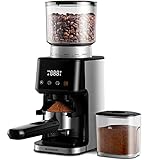
| Coffee grinder | 40–60 mm burrs; 0.1–1 g adjustment control | Helps repeat the shot strength and reduces watery or harsh espresso | Anyone dialing in fresh beans |
| Stovetop espresso maker | 90–120 ml brew capacity | Creates a strong coffee concentrate without requiring an espresso machine | Lower-cost setups |
| Cocktail shaker | 500–750 ml capacity; stainless steel body | Leaves enough air space for foam while chilling one or two drinks | Reliable foam and easy cleaning |
| Fine-mesh strainer | Mesh opening approximately 0.5–1 mm | Removes stray coffee grounds and tiny ice fragments | A smoother, cleaner pour |
How to make the chai espresso martini
1. Prepare the chai syrup
For a small batch, combine 100 g granulated sugar, 100 ml water, one cinnamon stick, four lightly crushed green cardamom pods, three thin slices of fresh ginger, two cloves, and a small strip of orange peel in a saucepan. Warm over medium-low heat until the sugar dissolves, then gently simmer for 5 minutes. Remove from the heat, steep for 15 minutes, and strain.
Cool the syrup completely before mixing the cocktail. This recipe makes approximately 150 ml, enough for about 10 drinks at 15 ml each. Store it in a clean, sealed container in the refrigerator and use it within about 2 weeks for best flavor. A commercial chai concentrate can also work, but check its sweetness: some concentrates require only 10 ml per drink.
2. Brew and cool the espresso
Pull a 25–35 ml espresso shot using a medium or medium-dark roast. Let it stand briefly so it is no longer boiling hot. Very hot espresso melts the ice immediately, resulting in a thin drink and a weak foam. Do not leave it sitting for a long time, however; coffee aromas fade as it cools.
If you do not have an espresso machine, brew 60 ml of strong moka-pot coffee and measure 30 ml for each cocktail. Avoid substituting ordinary filter coffee at the same volume, because it generally lacks the concentration needed to balance the vodka and ice.
3. Chill the glass
Place a coupe or martini glass in the freezer for at least 10 minutes, or fill it with ice and cold water while you mix. A cold glass keeps the cocktail firm and aromatic for longer. Empty and dry it immediately before straining.
4. Shake hard, then strain
Add the espresso, vodka, coffee liqueur, chai syrup, and ice to the shaker. Seal it and shake vigorously for 12–15 seconds. The goal is not merely to chill the liquid: the movement emulsifies coffee oils and creates the characteristic tan foam.
Strain through the shaker’s built-in strainer into the chilled glass. For a particularly polished texture, use a fine-mesh strainer as a second filter. Pour slowly so the foam settles across the surface instead of breaking apart.
How to adjust the recipe without losing balance
| If the drink tastes… | Likely cause | Next adjustment |
|---|---|---|
| Too sweet | Sweet coffee liqueur plus full-strength syrup | Reduce chai syrup to 10 ml or coffee liqueur to 22.5 ml |
| Too bitter | Over-extracted espresso or a very dark roast | Use a medium roast, or add 5 ml more chai syrup |
| Too strong | Insufficient dilution or a short shake | Shake for the full 15 seconds; do not simply add water afterward |
| Too watery | Warm espresso, soft ice, or excessive shaking | Cool the espresso briefly and use dense, fresh cubes |
| Chai flavor is hidden | Weak syrup or a strongly roasted coffee | Increase syrup to 20 ml, or use a lighter coffee roast |
A useful way to modify the drink is to change only one ingredient at a time. For example, if the first version tastes balanced but the chai is too quiet, increase the syrup from 15 ml to 20 ml rather than adding more of every ingredient. That preserves the intended coffee-to-alcohol ratio.
Garnish options that suit the drink
- Three coffee beans: The classic choice, with a clean appearance and a subtle roasted aroma.
- Ground cinnamon: Add a very small pinch through a fine sieve. Too much can make the surface dusty and interfere with the foam.
- Cardamom pod: Place one lightly cracked pod on the foam for a restrained chai cue. Do not crush it into the drink, where it can create a gritty texture.
- Orange twist: Express the peel over the surface, then discard or rest it on the rim. Citrus oils brighten the spices without adding sweetness.
- Dehydrated apple slice: A decorative option that reinforces the warming spice profile, provided the garnish is dry and firm.
Common mistakes and ownership realities
The shaker is the part most likely to show wear first. Gaskets in cobbler shakers can stiffen, retain coffee oils, or begin leaking after repeated dishwasher cycles. Rinse the shaker immediately after pouring, wash the lid and strainer separately, and dry all pieces with the lid off. Stainless steel is generally more durable and less odor-retentive than plastic, but it can still hold onto syrup if it is not cleaned promptly.
Coffee equipment also needs routine care. Empty espresso pucks or moka-pot grounds while they are still fresh, rinse the brew basket after each use, and backflush an espresso machine according to its manual. Mineral buildup can change water flow and make shots taste unexpectedly bitter. A grinder’s burrs and chute may collect oily coffee residue, especially with very dark beans; brush them regularly rather than washing internal components with water.
Two shortcuts cause most disappointing results: using hot espresso directly on the ice and shaking with too little ice. The first creates rapid dilution, while the second provides poor chilling and weak foam. Measure the ingredients rather than relying on free-pouring, particularly the syrup and coffee liqueur, because a difference of 10 ml is substantial in a single-serving cocktail.
Make-ahead and serving notes
Prepare the chai syrup up to 2 weeks ahead and chill the serving glasses in advance. Brew espresso shortly before mixing rather than batching it while hot. For a small gathering, multiply the liquid ingredients but shake no more than two servings at once; a crowded shaker cannot introduce as much air and may chill unevenly.
Because this is an alcoholic cocktail containing caffeine, treat it as an occasional drink, measure servings carefully, and avoid it if alcohol or caffeine is unsuitable for you. For a lower-alcohol variation, reduce the vodka to 30 ml and increase the espresso to 35 ml, recognizing that the result will taste more coffee-forward and slightly less silky.





Write Your Review
No reviews yet. Be the first to share your experience!