

Key takeaways
- 60 ml freshly brewed espresso, cooled for 5–10 minutes
- 20 ml coffee syrup
- 30 ml cold water, chilled coffee, or a non-alcoholic spirit
- One tiny pinch of fine salt, optional
- 150–180 g of solid ice
- Three coffee beans for garnish, optional
This non alcoholic espresso martini recipe uses 60 ml of chilled espresso, 20 ml of coffee syrup, and 30 ml of cold water or a non-alcoholic spirit, shaken hard with ice for a thick foam without vodka or coffee liqueur. The most reliable way to achieve a lasting foamy finish is to use freshly pulled espresso, chill it before shaking, and shake for 15–20 seconds with plenty of ice.
It produces one approximately 150 ml drink, including dilution, and has the familiar roasted coffee flavor with a lightly sweet, creamy-looking crema-style top. Because it contains no alcohol, it is suitable as a zero-proof cocktail option, but it is not necessarily caffeine-free.
Our top picks

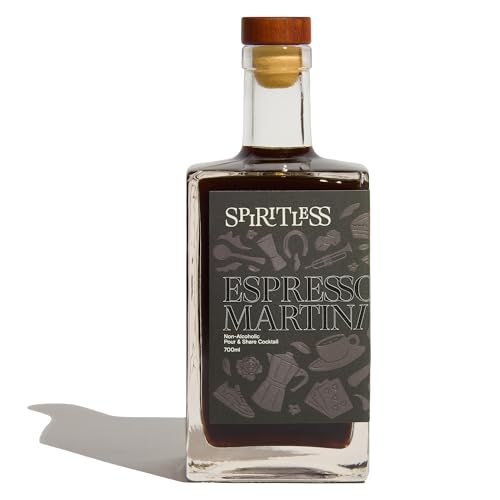
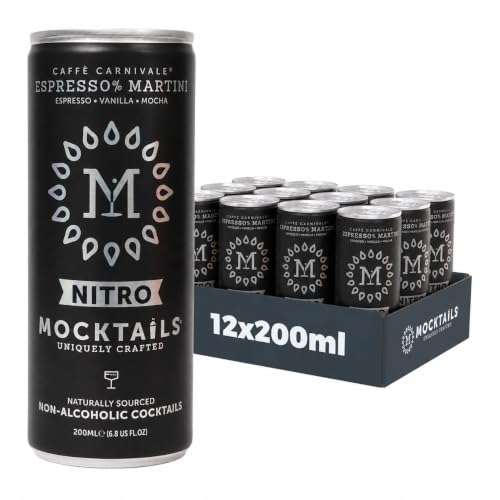
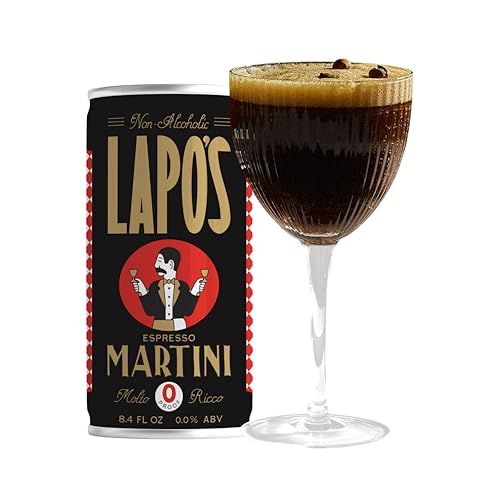
As an Amazon Associate we earn from qualifying purchases at no extra cost to you. Ratings are shown as listed on Amazon.
Non Alcoholic Espresso Martini Recipe
| Ingredient or equipment | Amount or specification | Why it matters |
|---|---|---|
| Fresh espresso | 60 ml, ideally from 18 g ground coffee | Provides concentrated coffee flavor and natural crema-forming compounds |
| Coffee syrup | 20 ml | Adds sweetness and balances espresso bitterness |
| Cold water or zero-proof spirit | 30 ml | Replaces the volume and smoothness normally supplied by vodka |
| Fine salt | One very small pinch, about 0.1 g | Rounds harsh bitterness; optional |
| Ice | 150–180 g, filling the shaker three-quarters full | Chills the drink and creates dilution during shaking |
| Glass | 150–200 ml coupe or martini glass | Leaves enough space for the foam cap |
Ingredients
- 60 ml freshly brewed espresso, cooled for 5–10 minutes
- 20 ml coffee syrup
- 30 ml cold water, chilled coffee, or a non-alcoholic spirit
- One tiny pinch of fine salt, optional
- 150–180 g of solid ice
- Three coffee beans for garnish, optional
Method
- Chill the serving glass. Put a 150–200 ml coupe or martini glass in the refrigerator for at least 10 minutes, or fill it with ice water while preparing the drink. A cold glass slows the foam from collapsing.
- Brew and cool the espresso. Pull 60 ml from approximately 18 g of coffee, or use two standard espresso shots. Let it cool briefly, but do not leave it at room temperature for more than about 20 minutes. Very hot espresso melts the ice too quickly and produces a thin drink.
- Measure every ingredient. Add 60 ml espresso, 20 ml coffee syrup, 30 ml cold water or zero-proof spirit, and the optional salt to a shaker. Measuring is important because an extra 10 ml of syrup can make the drink noticeably heavy and sweet.
- Add plenty of ice. Use hard, dry cubes rather than small crushed ice. Fill the shaker roughly three-quarters full, or use 150–180 g of ice for a standard 500–700 ml shaker.
- Shake vigorously for 15–20 seconds. Shake horizontally and firmly. This cools the liquid, incorporates air, and agitates the espresso oils that help form the pale foam on top.
- Double-strain into the cold glass. Pour through the shaker strainer and a fine-mesh sieve. The second strainer catches small ice fragments and gives the drink a cleaner, more polished surface.
- Rest for 20–30 seconds, then garnish. Allowing the drink to settle lets the foam separate into a defined cap. Place three coffee beans in the center if desired.
For a concrete example, combine 60 ml espresso, 20 ml vanilla coffee syrup, and 30 ml chilled water with 165 g of ice. After a vigorous 18-second shake and straining, the final drink will usually contain approximately 145–165 ml, depending on how much ice melts during shaking.
How to Get a Foamy Finish Without Alcohol
Alcohol is not what creates espresso martini foam. The foam mainly comes from air incorporated during shaking, espresso crema and oils, and the way the drink is chilled and diluted. Alcohol can affect texture, but a well-prepared zero-proof version can still produce a substantial foam cap.
Use fresh espresso rather than instant coffee
Fresh espresso contains aromatic oils and fine suspended particles that help stabilize bubbles. A 25–30 second extraction is a useful starting point, although grind size, roast level, and machine pressure change the result. Instant coffee can provide flavor in an emergency, but it generally creates less persistent foam.
Shake hard with cold, solid ice
Weak shaking leaves large bubbles that disappear quickly. Vigorous shaking creates smaller bubbles and a denser texture. Solid cubes are preferable because they cool the drink while limiting excessive dilution; cracked or wet ice can add too much water before the foam forms.
Add an optional foam booster
If your espresso is producing a thin top, add 5 ml of aquafaba—the liquid from cooked chickpeas—before shaking. This amount is usually enough to improve foam without making the drink taste strongly of legumes. For an egg-free commercial-style alternative, some cocktail foaming drops use plant proteins; follow the product label because concentration varies.
Another method is a “dry shake”: shake the espresso, syrup, liquid base, and aquafaba without ice for 8–10 seconds, then add ice and shake for another 12–15 seconds. This can create a thicker foam, but it requires a secure shaker and careful handling because pressure may build slightly as the mixture warms.
Choosing the Coffee, Syrup, and Zero-Proof Base
Coffee choice
Medium-dark espresso is the safest starting point because it supplies chocolate and toasted notes that remain noticeable after dilution. Very light roasts can taste sharp, while extremely dark roasts may become bitter when combined with sweet syrup. If using cold brew concentrate instead of espresso, use 60 ml of concentrate and expect a softer, less foamy result.
For a lower-caffeine drink, use half regular and half decaffeinated espresso. Decaffeinated coffee is not always completely caffeine-free, so check the package information if caffeine avoidance is important.
Syrup choice
Use 20 ml of coffee syrup for a balanced, moderately sweet drink. Vanilla syrup gives a dessert-like profile; plain sugar syrup keeps the coffee more prominent; maple syrup adds a darker, woody sweetness. If using maple syrup or another thick sweetener, dilute it slightly first so it mixes evenly.
To make a simple coffee syrup, simmer 100 g sugar with 100 ml water until dissolved, then add 2 teaspoons of instant espresso powder or 60 ml strong brewed coffee. Cool it completely and refrigerate it in a clean sealed container. Use within approximately two weeks, or follow the storage guidance for the specific syrup.
Liquid base choice
- Cold water: The least expensive option and the clearest way to taste the coffee. It produces a lighter-bodied drink.
- Chilled coffee: Intensifies the roasted flavor without adding sweetness. Use unsweetened coffee to prevent the drink becoming syrupy.
- Non-alcoholic spirit: Adds botanical, bitter, or vanilla notes and can give the drink more perceived structure. Choose a coffee-compatible product rather than a strongly herbal one.
- Unsweetened oat beverage: Adds body and a slightly creamy texture, although it can soften the foam and obscure delicate espresso flavors.
Equipment That Makes the Recipe More Consistent
| Equipment type | Useful specification | Best for | Main limitation |
|---|---|---|---|
| Two-piece Boston shaker | 500–700 ml capacity; stainless-steel tin | Strong shaking and maximum foam | Needs a separate fine-mesh strainer |
| Three-piece cobbler shaker | 500–700 ml capacity; built-in strainer | Beginners and occasional use | Lid can become difficult to open when very cold |
| Digital kitchen scale | At least 1 g resolution; 2 kg capacity | Repeating coffee and syrup ratios | Does not replace a liquid measuring tool for quick service |
| Fine-mesh cocktail sieve | Approximately 70–100 mm diameter | Removing ice chips and improving texture | Must be rinsed immediately to prevent sticky syrup buildup |
| Manual espresso maker or espresso machine | Produces 50–60 ml per recipe | Strongest flavor and best foam potential | Requires coffee grinding and cleaning |
A 500 ml shaker is adequate for one or two drinks, while a 700 ml shaker is easier to use when making two servings because the ice and liquid have more room to move. Avoid filling a small shaker completely: restricted movement reduces aeration and may leave the drink warm.
Common Problems and Precise Fixes
- Thin or disappearing foam: Use fresher espresso, shake for the full 15–20 seconds, and fill the shaker with enough ice. Adding 5 ml aquafaba is the most direct texture adjustment.
- Watery flavor: The espresso may have been too hot, the ice too small, or the shake too long. Cool the espresso first and use large, dry cubes.
- Excessive bitterness: Reduce the coffee syrup only if the drink is already sweet; instead, check the espresso extraction. A tiny pinch of salt or 5 ml additional syrup can soften bitterness.
- Drink is too sweet: Reduce syrup from 20 ml to 15 ml, then keep the espresso and liquid base unchanged. Do not compensate with extra ice because that dilutes flavor rather than correcting sweetness.
- Weak coffee taste: Use 60 ml espresso instead of increasing the syrup. If using cold brew, choose a concentrate rather than ready-to-drink cold brew.
- Foam has large bubbles: Shake more forcefully and double-strain. Large bubbles usually indicate insufficient agitation or a warm serving glass.
Cost and Batch Calculation
A single drink uses approximately 18 g of coffee, 20 ml of syrup, and 30 ml of water or zero-proof spirit. If coffee costs $18 for a 340 g bag, the coffee portion costs about $0.95: $18 divided by 340 g equals $0.0529 per gram, multiplied by 18 g. A 250 ml bottle of syrup priced in the general $8–$15 range contributes roughly $0.64–$1.20 per 20 ml serving.
That puts the core ingredient cost at approximately $1.60–$3.00 before optional zero-proof spirit, garnish, milk alternative, or equipment costs. A 700 ml bottle of non-alcoholic spirit used at 30 ml per drink makes about 23 servings. This calculation helps determine whether the flavor benefit is worth buying a specialty bottle, especially if cold water already gives a satisfying result.
Cleaning and Ownership Tips
Rinse the shaker, strainer, and sieve immediately after pouring because coffee oils and syrup become harder to remove when dry. Wash stainless-steel parts with warm water and dish soap, then leave them open to air-dry. Do not store a sealed shaker wet, as trapped moisture can create stale odors.
The components most likely to wear first are silicone seals, plastic shaker lids, and fine-mesh strainers. Replace a cracked seal or a lid that no longer fits securely; a leaking shaker is both inefficient and unsafe during vigorous shaking. Stainless-steel tins generally tolerate frequent use better than thin plastic, but they can dent if dropped. Keep syrup refrigerated according to its label and discard it if its smell, appearance, or texture changes.
Frequently Asked Questions
Can I make a non alcoholic espresso martini without an espresso machine?
Yes. Use 60 ml of strong coffee concentrate made with a moka pot, AeroPress, or concentrated cold brew. Chill it before shaking, and expect slightly less foam than with freshly pulled espresso because those methods produce different amounts of crema and suspended coffee oils.
Is a non alcoholic espresso martini caffeine-free?
No. Espresso, cold brew, and many coffee syrups contain caffeine. Use decaffeinated espresso if you want to reduce caffeine, but check the package because decaffeinated coffee can still contain a small amount.
What can replace coffee liqueur in this recipe?
Coffee syrup replaces the sweetness and coffee flavor, while cold water or a non-alcoholic spirit replaces the liquid volume. Start with 20 ml syrup and 30 ml liquid base, then adjust the syrup to 15 ml if the drink tastes too sweet.
Why does my drink have no foam?
The most common causes are stale espresso, insufficient shaking, warm glassware, or too little ice. Use freshly brewed espresso, shake hard for 15–20 seconds with 150–180 g of solid ice, and chill the glass first. Adding 5 ml aquafaba can help when the coffee itself produces very little crema.
Can I prepare this drink in advance?
You can brew and chill the espresso and prepare the syrup several hours ahead, but shake the finished drink immediately before serving. Pre-shaking causes the ice to melt and the foam to collapse, producing a flatter, weaker drink.
How do I make two servings at once?
Use 120 ml espresso, 40 ml syrup, and 60 ml liquid base with 250–300 g ice in a 700 ml shaker. Shake for 20 seconds, then divide between two chilled 150–200 ml glasses; use a second shake if the shaker is too crowded for the ice to move freely.





Write Your Review
No reviews yet. Be the first to share your experience!