

Key takeaways
- The Omega MM900HDS is the best wheatgrass juicer for fresh juice for most people because its slow 80 RPM auger, dedicated wheatgrass adjustment, compact footprint, and relatively simple cleanup suit small, fibrous harvests better than a high-speed centrifugal juicer. For…
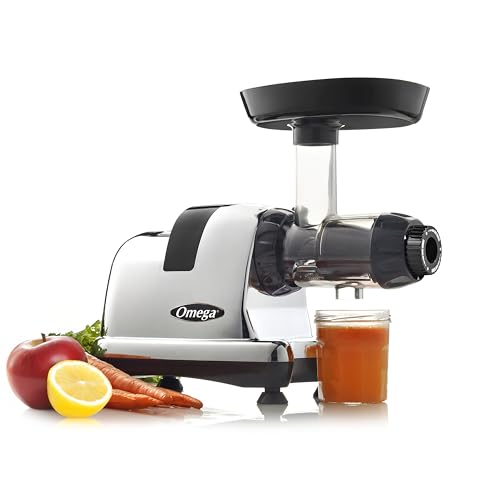
The Omega MM900HDS is the best wheatgrass juicer for fresh juice for most people because its slow 80 RPM auger, dedicated wheatgrass adjustment, compact footprint, and relatively simple cleanup suit small, fibrous harvests better than a high-speed centrifugal juicer.
For maximum extraction from frequent wheatgrass batches, choose the Tribest Greenstar Elite GSE-5000 instead. It costs more and takes longer to clean, but its twin gears apply more pressure to stringy greens. If you want one machine for wheatgrass, celery, soft fruit, and occasional frozen desserts, the Omega NC900HDC is the more versatile compromise.
Our top picks


As an Amazon Associate we earn from qualifying purchases at no extra cost to you. Ratings are shown as listed on Amazon.
Best wheatgrass juicers by situation
| Situation | Best choice | Why it fits | Main compromise |
|---|---|---|---|
| First wheatgrass juicer or occasional use | Omega MM900HDS | 80 RPM extraction, dedicated wheatgrass pressure adjustment, manageable size | Narrow feed chute requires cutting or feeding small handfuls |
| Highest yield from fibrous greens | Tribest Greenstar Elite GSE-5000 | Twin gears and stainless-steel cutting points handle stringy material efficiently | Heavier, wider, and more involved to assemble and wash |
| One juicer for greens and many other ingredients | Omega NC900HDC | 80 RPM horizontal auger with a broad accessory system | Its standard adjustment is less specialized for wheatgrass than the MM900HDS |
| Limited counter depth | Compact horizontal single-auger design | Usually easier to store than a wide twin-gear machine | Long horizontal bodies still need cabinet or shelf space |
What matters when juicing wheatgrass
Low-speed extraction
Wheatgrass is thin, tough, and stringy rather than juicy in the way an orange is. A centrifugal machine spins a basket at high speed and can leave damp, tangled pulp while creating a frothy drink. A slow horizontal auger compresses the grass gradually, which is generally better suited to extracting a small amount of liquid from fibrous stems.
RPM is useful but not the whole story. Gear shape, screen design, pressure adjustment, and the distance between the auger and screen also affect yield. A machine running at 80 RPM can outperform another 80-RPM juicer if its pulp pressure is better controlled. Slow speed also does not mean silent or effortless: wheatgrass can wrap around an auger, especially when fed in long handfuls.
Yield and pulp dryness
Yield depends heavily on the grass itself. Young, well-watered wheatgrass usually produces more liquid than mature, dry, or refrigerated grass. For a fair comparison, weigh the grass before juicing and weigh the collected pulp afterward. A simple yield estimate is:
Liquid yield percentage = weight of juice ÷ weight of wheatgrass × 100.
For example, if 200 grams of wheatgrass produces 90 grams of juice, the measured yield is 45%. This is a kitchen comparison rather than a guarantee, because juice density, moisture, and pulp retained in the machine vary. A second pass through a twin-gear juicer may improve extraction, but it also adds time and cleaning.
Chute size and feeding speed
Wheatgrass does not need a large chute in the same way apples or carrots do. A narrow chute can actually help because it meters the long strands into the auger. However, you should expect to cut long grass into roughly 2- to 4-inch pieces or feed small pinches. Stuffing a large handful into the opening is a common cause of slow output, auger jams, and wet pulp.
Horizontal wheatgrass machines generally prioritize controlled feeding over speed. If convenience matters more than maximum yield, a wider-chute vertical slow juicer may be easier for mixed produce, but it may need more frequent stopping when processing long fibers. Check that the manufacturer explicitly supports leafy greens before buying; not every vertical machine is designed for dense wheatgrass.
Head-to-head: the leading choices
Omega MM900HDS: best specialized option
The MM900HDS is built around a horizontal single-auger layout and includes a dedicated wheatgrass and leafy-green adjustment. Its auger operates at about 80 RPM, and its compact body is approximately 6.5 inches wide, 14.5 inches deep, and 15.5 inches high, with a listed weight near 13 pounds. The exact package dimensions can vary by market.
The important ownership advantage is control. You can reduce or increase back pressure when the pulp is too wet or the machine begins to strain. The narrow feed opening encourages small batches, which is appropriate for wheatgrass. It is a strong choice for one or two glasses at a time, particularly when you want a machine that is easier to lift and store than a twin-gear model.
Its limitations are equally clear: the chute is not designed for casually throwing in large bundles, and the machine is slower for bulky produce. The screen, auger, and pulp outlet still require rinsing immediately after use.
Tribest Greenstar Elite GSE-5000: best for demanding green juicing
The Greenstar Elite uses twin gears rather than a conventional single auger. It runs at approximately 110 RPM and uses stainless-steel components in the cutting and grinding system. Its body is roughly 6.5 inches wide, 18.5 inches deep, and 12.5 inches high, and its listed weight is around 17.4 pounds.
The twin-gear design is valuable when wheatgrass is only one part of a regular leafy-green routine. It can grip and crush stringy material effectively, and its adjustable pressure helps manage changes in moisture. For someone growing trays of grass and prioritizing extraction over setup time, this is the more capable machine.
The trade-off is ownership effort. There are more parts and grooves to rinse, the body is long and heavy, and the screen brush is not optional maintenance. If the juicer sits unused with pulp drying inside, cleanup becomes substantially harder.
Omega NC900HDC: best versatile alternative
The NC900HDC is another horizontal single-auger model operating at about 80 RPM. Its approximate dimensions are 6.5 inches wide, 14.5 inches deep, and 15.5 inches high, with a listed weight near 13 pounds. It is commonly sold with accessories for several food-preparation tasks beyond juicing.
It handles wheatgrass well when the grass is fed gradually and the pulp pressure is adjusted carefully. Its broader usefulness makes sense if you also juice firm vegetables, make nut-based preparations, or want extra processing attachments. Compared with the MM900HDS, it is less specifically configured for wheatgrass, so the specialized model is the cleaner decision if grass is your main ingredient.
Specification comparison
| Model | Juicing system | Approx. speed | Approx. dimensions | Approx. weight | Best use |
|---|---|---|---|---|---|
| Omega MM900HDS | Horizontal single auger | 80 RPM | 6.5 × 14.5 × 15.5 in | 13 lb | Dedicated wheatgrass and leafy greens |
| Tribest Greenstar Elite GSE-5000 | Twin gears | 110 RPM | 6.5 × 18.5 × 12.5 in | 17.4 lb | High-volume or frequent fibrous-green juicing |
| Omega NC900HDC | Horizontal single auger | 80 RPM | 6.5 × 14.5 × 15.5 in | About 13 lb | Mixed juicing and food preparation |
Dimensions and weights are approximate manufacturer-listed figures and can differ slightly by region, included accessories, or later revisions. Always measure the available counter space, including room for the feed chute, pulp container, and your hands.
How to get better wheatgrass yield
- Harvest or prepare evenly sized grass. Remove visibly spoiled material and cut long strands into short sections. This reduces wrapping around the auger.
- Feed a small pinch at a time. Wait for the previous portion to clear before adding more. Forcing the hopper full can produce wet pulp and overload the motor.
- Alternate fibrous grass with a small amount of firmer produce only if the manual allows it. A compatible piece of carrot or cucumber can help move material through, but do not use this to force a jam.
- Adjust pressure gradually. Increase back pressure if pulp is very wet, then reduce it if the motor labors or the output slows sharply.
- Stop before the machine overheats. Follow the model’s duty-cycle instructions rather than assuming a slow juicer can run continuously.
- Rinse immediately. Dried chlorophyll-rich pulp is much harder to remove from a screen than fresh pulp.
Cleaning effort and parts that wear first
A realistic cleanup time is about 5 to 10 minutes when the machine is rinsed immediately, and longer if the screen has dried residue. The screen is usually the slowest part to clean because fine fibers lodge in its tiny openings. Use the supplied brush rather than a sharp metal tool, which can damage the screen.
The parts most likely to need replacement are the strainer or screen, silicone seals, end caps, and any rubber wiper or pressure components. Their life depends on use, washing method, and whether the machine is run with hard, frozen, or unsuitable ingredients. Keep spare wearable parts available if you juice daily, but replace them based on cracks, leaks, reduced output, or persistent pulp—not only on a calendar.
Do not put the motor base under running water. Disassemble the food-contact parts, rinse them promptly, and let them dry fully before storage. A damp screen stored inside the machine can develop odors and makes the next cleanup more difficult.
Price and value
In 2026, specialized slow wheatgrass juicers generally occupy a broad market range of roughly $250 to $600 or more, depending on the drive system, warranty, accessories, and regional pricing. The cheaper choice is not always the lowest ownership cost. If a machine yields 10% less juice from a daily 200-gram batch, the lost produce accumulates; if you use it only twice a month, simpler cleaning and lower purchase cost may matter more.
Choose the Omega MM900HDS for the best balance of wheatgrass performance and effort. Choose the Greenstar Elite when maximum extraction and long-term heavy use justify a heavier, more complex machine. Choose the NC900HDC when wheatgrass is important but not the only reason you are buying a juicer.
Frequently asked questions
Can a centrifugal juicer juice wheatgrass?
It can process some leafy greens, but its high-speed basket is usually a poor match for long, fibrous wheatgrass. Expect more foaming, faster oxidation, and potentially wetter pulp than with a slow auger or twin-gear machine.
Is a twin-gear juicer always better?
Not for every owner. Twin gears can be advantageous for yield and difficult greens, but they add weight, cost, assembly, and cleaning. A well-adjusted single-auger model is often the better practical choice for occasional small batches.
Should wheatgrass be refrigerated before juicing?
Chilled grass may be easier to store, but moisture loss can reduce output. Use clean, fresh grass and follow safe food-handling practices. If you have dietary or health concerns about wheatgrass or concentrated juices, ask a qualified healthcare professional for advice.





Write Your Review
No reviews yet. Be the first to share your experience!