

Key takeaways
- Brazil: often nutty, chocolatey, and low in acidity; a dependable choice for drip coffee and espresso.
- Colombia: commonly balanced, sweet, and moderately bright, with caramel, cocoa, or red-fruit notes.
- Central America: can offer a clean cup with citrus, brown sugar, and cocoa character.
- Ethiopia: more likely to show floral, berry, or citrus notes, especially at lighter roasts.
- Blends: usually provide more consistency and body than a single-origin coffee, particularly for milk drinks.
The best decaf coffee for rich, smooth flavor is a freshly roasted, whole-bean medium or medium-dark coffee made with Swiss Water or carbon-dioxide decaffeination and brewed soon after grinding.
That description is a useful starting point, but the right choice depends on your brewer, preferred roast, budget, and how quickly you use a bag. Decaf is not one flavor category: a washed Colombian decaf can taste like cocoa and nuts, while a natural-process Ethiopian decaf may be fruitier and lighter. Use the guide below to choose by situation rather than by the word “decaf” alone.
Our top picks


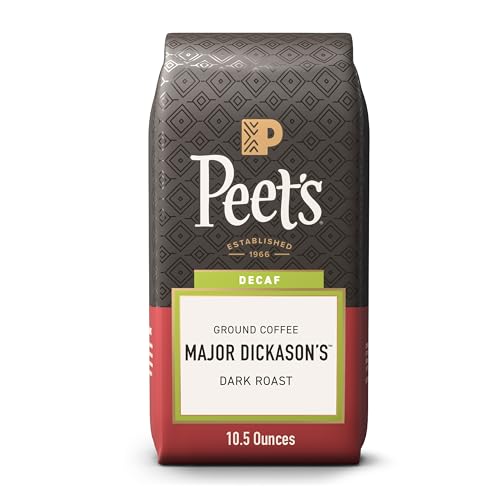
As an Amazon Associate we earn from qualifying purchases at no extra cost to you. Ratings are shown as listed on Amazon.
Best decaf coffee by buying situation
| Situation | Best choice | Why it works | What to avoid |
|---|---|---|---|
| You want the richest everyday cup | Medium-dark, whole-bean Colombian or Brazilian decaf | Chocolate, caramel, and nut flavors remain noticeable with milk or without it | Very dark, oily beans that can taste smoky and clog some grinders |
| You use a drip machine | Medium roast, washed Central or South American decaf | Balanced acidity and body perform consistently in a larger batch | Very light roasts, which can taste thin if the machine brews cool |
| You make espresso | Medium-dark espresso blend, preferably nitrogen-flushed or valve-sealed | Extra body and lower perceived acidity stand up to milk | Stale pre-ground decaf or beans with no roast-date information |
| You use a French press | Medium roast with a full-bodied profile; buy whole bean and grind coarse | Long immersion extracts chocolate and toasted-nut notes effectively | Fine pre-ground coffee, which produces sludge and bitterness |
| You prefer bright, distinctive coffee | Light or medium roast Ethiopian, Kenyan, or Colombian decaf | Can retain citrus, berry, or floral character | Assuming all decaf should taste dark and roasty |
| You need convenience | Freshly packaged pre-ground coffee in a small 8–12-ounce bag | Less equipment and less waste when you drink only a cup occasionally | Large bags that sit open for several months |
Decaffeination methods: which produces the best flavor?
Swiss Water and other water processes
Water-process decaffeination uses water, temperature, and filtration to remove caffeine. The process is often associated with a clean, rounded cup and is a strong choice when you want the bean’s origin character to remain noticeable. “Swiss Water” is a specific commercial process; “water process” is a broader description, so check the package if the method matters to you.
Water-processed coffees are not automatically superior. The green coffee quality, roast date, and storage still matter more than the method name alone. A fresh solvent-decaffeinated coffee can taste better than an old water-processed one.
Carbon dioxide decaffeination
Carbon dioxide is used under controlled pressure to selectively remove caffeine. It can preserve aromatics well and is frequently used for coffees intended to retain a clear origin profile. This method is a good option for light-to-medium roasts, fruit-forward coffees, and drinkers who dislike the flat flavor associated with poorly processed decaf.
Ethyl acetate decaffeination
Ethyl acetate is commonly derived from sugarcane or other plant sources, although the finished process is still a technical decaffeination method. Sugarcane-process coffees often have a soft sweetness and medium body, making them appealing in espresso and filter brewing. The phrase “natural” on a label describes the source or marketing position of the solvent, not a guarantee of flavor quality.
Methylene chloride decaffeination
Methylene chloride is another established method used by commercial roasters. Properly processed coffee contains only regulated residual amounts, but shoppers who prefer to avoid this method should look for “Swiss Water,” “water process,” “CO2,” or “sugarcane process” on the package. The method alone does not predict whether the cup will be smooth, bitter, fruity, or sweet.
Roast level and origin matter more than the decaf label
For a rich and smooth cup, medium and medium-dark roasts are usually the safest choices. Medium roasts preserve some acidity and origin flavor while adding caramel and cocoa notes. Medium-dark roasts offer more body and lower perceived acidity, though they can lose distinctive origin character.
- Brazil: often nutty, chocolatey, and low in acidity; a dependable choice for drip coffee and espresso.
- Colombia: commonly balanced, sweet, and moderately bright, with caramel, cocoa, or red-fruit notes.
- Central America: can offer a clean cup with citrus, brown sugar, and cocoa character.
- Ethiopia: more likely to show floral, berry, or citrus notes, especially at lighter roasts.
- Blends: usually provide more consistency and body than a single-origin coffee, particularly for milk drinks.
Dark roast does not mean stronger in caffeine. Roast level changes flavor, density, and extraction behavior, but decaf coffee still contains small residual amounts of caffeine. People who are highly sensitive should read package information and discuss caffeine limits with a qualified health professional.
Whole bean versus ground decaf
Whole bean is usually the best option for flavor because grinding exposes far more surface area to oxygen. Decaf beans can be especially vulnerable to tasting dull when they are stored poorly or ground long before use. Choose whole bean when you own a burr grinder and can finish a bag within roughly two to four weeks of opening.
Pre-ground coffee is sensible when convenience matters more than maximum aroma. Buy the smallest practical package, match the grind to your brewer, and reseal it immediately. A coffee ground for drip machines will not be ideal for espresso, while espresso-fine coffee can make a French press muddy and bitter.
| Brewer | Starting dose | Water temperature | Typical contact time | Recommended grind |
|---|---|---|---|---|
| Automatic drip | 60 g coffee per 1 liter water | 195–205°F / 90–96°C | 4–6 minutes | Medium |
| Pour-over | 15 g coffee per 250 g water | 195–205°F / 90–96°C | 2:30–4:00 minutes | Medium-fine to medium |
| French press | 30 g coffee per 500 g water | 195–205°F / 90–96°C | 4 minutes | Coarse |
| Espresso | 18 g coffee for about 36 g beverage | 195–203°F / 90–95°C | 25–32 seconds | Fine |
Freshness, packaging, and a realistic cost calculation
Look for a roast date rather than only a “best by” date. For filter brewing, decaf often tastes best from about 7 to 35 days after roasting, although espresso may benefit from additional resting. A one-way valve bag helps release carbon dioxide while limiting oxygen exposure. After opening, store the coffee in an airtight, opaque container away from heat, sunlight, moisture, and strong kitchen odors. Do not refrigerate an opened bag; condensation and odor absorption can damage flavor.
Package size affects freshness and cost. Suppose a 12-ounce bag costs $18 and you brew 15 grams per cup. Since 12 ounces is about 340 grams, the bag makes approximately 22 cups. The coffee cost is therefore about $0.82 per cup before water, filters, electricity, or milk. A 2-pound bag may lower the cost per cup, but if you drink only three cups per week, the last portion may become stale before the savings are worthwhile.
How to make decaf taste fuller and smoother
- Use filtered water. Water with a strong chlorine taste or unusual mineral balance can overwhelm subtle coffee flavors.
- Start with the ratio above. If the cup tastes weak, use more coffee before grinding much finer.
- Grind immediately before brewing. A burr grinder gives more even particles than a blade grinder.
- Adjust one variable at a time. Sour or thin coffee may need a finer grind, hotter water, or a longer brew. Bitter or dry coffee may need a coarser grind or shorter contact time.
- Clean the brewer regularly. Rinse removable parts after each use and descale according to the appliance manufacturer’s instructions. Old coffee oils are among the fastest ways to make a good decaf taste rancid.
Ownership mistakes that shorten flavor life
The grinder usually shows wear before the brewer does: burrs become dull, grounds become less uniform, and adjustment becomes harder. Replace or service burrs according to the grinder maker’s schedule, especially if you grind daily. Avoid oily dark-roast beans in grinders that are difficult to open and clean, because residue can accumulate around the burrs and chute.
For coffee makers, scale buildup can slow water flow and reduce brewing temperature. Leaving wet grounds in a filter basket creates stale odors and may encourage mold. Empty the basket promptly, wash the carafe and brew basket, and allow parts to dry fully before reassembly. These maintenance steps often improve flavor more than switching between similar decaffeination methods.
The bottom line
Choose a fresh, whole-bean medium or medium-dark Colombian, Brazilian, or balanced blend if your priority is rich, smooth flavor. Select a water- or CO2-processed light-to-medium roast when you want more origin character, and consider sugarcane-process coffee for a sweet, rounded espresso or filter cup. Match the grind to the brewer, buy only what you can finish promptly, and judge the coffee by its roast date and flavor—not by the decaffeination method alone.





Write Your Review
No reviews yet. Be the first to share your experience!