

Key takeaways
- 1 cup frozen mixed berries
- ½ medium banana, about 2 ounces peeled
- ¾ cup unsweetened soy milk
- ½ cup plain Greek yogurt
- 1 tablespoon rolled oats
- 1 tablespoon ground flaxseed
- Optional: ¼ teaspoon vanilla or a pinch of cinnamon
The best fruit smoothie recipes for every morning use 1½ cups of fruit, ¾–1 cup of liquid, ½ cup of protein, and 1–2 tablespoons of fiber-rich ingredients per serving. For the smoothest texture, add liquid first, soft ingredients second, frozen fruit and ice last, then blend until no flecks remain.
A reliable everyday formula is one medium banana or 1 cup of another fruit, ¾ cup unsweetened milk, ½ cup Greek yogurt or silken tofu, and 1 tablespoon of chia, ground flaxseed, or rolled oats. The recipes below keep sweetness, thickness, protein, and fiber in balance without relying on fruit juice or added sugar.
Our top picks

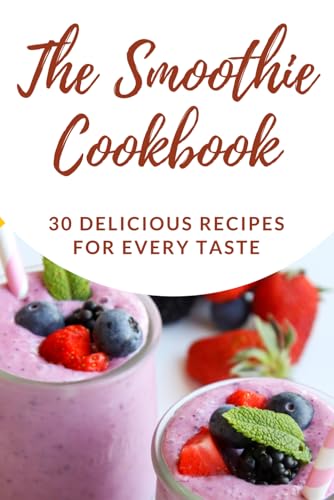
As an Amazon Associate we earn from qualifying purchases at no extra cost to you. Ratings are shown as listed on Amazon.
Quick comparison: which blender suits morning smoothies?
| Blender type or model | Best for | Key specifications | Typical 2026 price range |
|---|---|---|---|
| Personal blender, such as NutriBullet Pro 900 | One serving and limited counter space | About 900 watts; blending cups commonly 24–32 oz; compact footprint | $70–$130 |
| Full-size blender, such as Vitamix 5200 | Daily use, fibrous ingredients, and multiple servings | 2.0-quart container; variable speed; approximately 1,380-watt motor | $350–$550 |
| High-speed blender, such as Ninja Foodi Power Nutri DUO | Thick smoothie bowls and frozen fruit | Personal cups plus a power bowl; roughly 1,200 watts; tamper-style processing | $150–$250 |
| Portable rechargeable blender, such as Ninja Blast | Travel, office use, and small single portions | Portable vessel commonly around 18 oz; rechargeable battery; designed for soft fruit and small ice quantities | $60–$100 |
Specifications and capacities above are rounded from manufacturer-published product information and may vary by package or revision. A personal blender is sufficient for the recipes in this article, but a full-size high-speed model is a better choice if you regularly use leafy greens, frozen berries, dates, seeds, or several servings at once.
Five balanced fruit smoothie recipes for the week
1. Berry-oat breakfast smoothie
Makes: 1 serving. Approximate fiber: 8–10 grams, depending on the berries and oat brand.
- 1 cup frozen mixed berries
- ½ medium banana, about 2 ounces peeled
- ¾ cup unsweetened soy milk
- ½ cup plain Greek yogurt
- 1 tablespoon rolled oats
- 1 tablespoon ground flaxseed
- Optional: ¼ teaspoon vanilla or a pinch of cinnamon
Add the soy milk and yogurt first, followed by the banana, oats, flaxseed, and frozen berries. Blend for 45–60 seconds. If the mixture is too thick, add 1 tablespoon of soy milk at a time; if it is too tart, use the full banana rather than adding syrup.
This recipe is moderately thick and spoonable but still drinkable through a wide straw. Rolled oats add body and fiber, while soy milk and Greek yogurt provide more protein than a fruit-and-juice smoothie.
2. Mango-pineapple yogurt smoothie
Makes: 1 serving. Approximate fiber: 4–6 grams.
- ¾ cup frozen mango chunks
- ½ cup frozen pineapple chunks
- ½ small banana
- ½ cup plain Greek yogurt
- ¾ cup unsweetened coconut beverage or low-fat milk
- 1 tablespoon chia seeds
- 1 teaspoon lime juice
Blend the liquid, yogurt, banana, chia seeds, lime juice, mango, and pineapple in that order. Let the smoothie stand for 2 minutes before drinking if you prefer a thicker texture, because chia seeds continue absorbing liquid after blending.
Mango and banana supply most of the sweetness, so juice is unnecessary. Choose unsweetened coconut beverage for a lighter, thinner smoothie or milk for a creamier result. If using fresh rather than frozen fruit, add 4–5 ice cubes and blend for about 60 seconds.
3. Apple-peanut butter smoothie
Makes: 1 serving. Approximate fiber: 7–9 grams.
- 1 small sweet apple, cored and cut into 1-inch pieces
- ½ medium banana, preferably frozen
- ¾ cup unsweetened milk
- ½ cup plain Greek yogurt
- 1 tablespoon natural peanut butter
- 1 tablespoon ground flaxseed
- ¼ teaspoon cinnamon
- 4 ice cubes, only if the banana is not frozen
Use a high-speed blender if you want the apple peel fully incorporated. Blend the milk and yogurt first, then add apple, banana, peanut butter, flaxseed, and cinnamon. Run the blender for 60–75 seconds, pausing once to scrape down the sides if needed.
The apple creates a slightly textured smoothie unless it is cut into small pieces. For a silkier result, peel the apple or replace it with ¾ cup unsweetened applesauce. The peanut butter contributes fat and flavor, while flaxseed gives the smoothie a thicker, slightly nutty finish.
4. Peach-cottage cheese smoothie
Makes: 1 serving. Approximate fiber: 4–6 grams.
- 1 cup frozen sliced peaches
- ½ cup low-fat cottage cheese
- ¾ cup unsweetened oat milk
- ½ cup raspberries, fresh or frozen
- 1 tablespoon chia seeds
- 1 teaspoon lemon juice
- Optional: ½ teaspoon honey if the fruit is not ripe or sweet enough
Blend oat milk and cottage cheese for 20 seconds before adding the peaches, raspberries, chia, and lemon juice. Continue for 45–60 seconds. This two-stage blend helps break up cottage cheese curds and produces a smoother drink in a lower-powered blender.
Peaches provide gentle sweetness, while raspberries add acidity and visible seed texture. If you want fewer seeds, replace the raspberries with ½ cup strawberries. Add honey only after tasting; the fruit and oat milk may already provide enough sweetness.
5. Green kiwi-pear smoothie
Makes: 1 serving. Approximate fiber: 8–11 grams.
- 1 ripe pear, cored and chopped
- 2 peeled kiwis
- 1 cup baby spinach
- ¾ cup unsweetened soy milk
- ½ cup silken tofu
- 1 tablespoon hemp hearts
- ½ cup ice or ½ cup frozen pear pieces
Blend soy milk, tofu, spinach, pear, kiwi, hemp hearts, and ice for 60–90 seconds. Start on low speed if your blender has a variable control, then increase to high. If the smoothie remains flecked, blend for another 20 seconds rather than adding more liquid.
This recipe is bright and lightly tart, with a thinner texture than the berry-oat smoothie. A ripe pear supplies enough sweetness for most palates. If your kiwi is particularly sour, add another ¼ pear or 2 tablespoons of unsweetened applesauce instead of sugar.
How to adjust texture and sweetness without ruining the balance
Use the following adjustment method after the first blend:
- Too thick: Add 1 tablespoon of the recipe’s liquid at a time, blending for 5–10 seconds after each addition. Adding a full extra cup at once can turn a spoonable smoothie into a thin drink.
- Too thin: Add ¼ cup frozen fruit, 1 tablespoon oats, or 1 tablespoon chia seeds. Wait 2 minutes after adding chia before judging the final thickness.
- Not smooth enough: Blend another 20–30 seconds, then check whether the ingredients were cut small enough. Hard apple, pear, dates, and ice need more processing than ripe banana.
- Too sweet: Add 1–2 teaspoons lemon or lime juice, a handful of spinach, or 2 tablespoons plain yogurt. Avoid correcting sweetness with large amounts of extra liquid.
- Too tart: Add ¼ banana, 2 tablespoons yogurt, or 1 teaspoon honey. Taste before adding sweetener because frozen fruit can taste less sweet than it becomes at room temperature.
- Too cold: Use fresh fruit and refrigerated liquid instead of ice, or let the smoothie stand for 3–5 minutes before drinking.
Choosing a blender by your morning routine
| Your situation | Recommended choice | Useful minimum specification | Main compromise |
|---|---|---|---|
| One smoothie most days and little storage space | Personal blender | 600–900 watts; 24–32 oz cup; dishwasher-safe removable parts | Less room for tamping and usually louder during short blending cycles |
| Two or more servings at once | Full-size countertop blender | At least 48 oz working capacity; 1,000 watts or more; variable speed | Takes more counter and cabinet space |
| Frequent frozen fruit, dates, or smoothie bowls | High-speed blender with tamper or bowl accessory | 1,000–1,500 watts; tamper access or dedicated bowl; sturdy blade assembly | Higher purchase price and more parts to wash |
| Office, commuting, or hotel use | Portable rechargeable blender | 12–20 oz vessel; USB charging; safety interlock; removable cup | Usually cannot handle large ice cubes, fibrous greens, or thick mixtures |
For one daily serving, a 24–32-ounce personal cup is usually large enough: the recipes above produce roughly 14–20 fluid ounces after blending. A 48–64-ounce full-size container becomes more useful when doubling a recipe, but do not fill it to the lid with frozen ingredients because the blades need space for circulation.
Watts alone do not determine smoothie quality. Blade design, jar shape, speed control, and the ability to move ingredients toward the blades matter too. A portable blender may list a high wattage yet still be intended for soft fruit and small ice pieces; follow the manufacturer’s ingredient limits rather than comparing wattage in isolation.
Blending order, cleaning, and ownership realities
For most fruit smoothies, the best loading order is liquid, yogurt or tofu, fresh fruit, seeds or oats, leafy greens, frozen fruit, and ice. Liquid reaches the blades first and reduces the chance of an air pocket forming beneath dense ingredients. If your blender manual specifies a different order, use that guidance.
- Measure before blending: Keep fruit near 1½ cups, liquid near ¾ cup, protein near ½ cup, and fiber near 1–2 tablespoons for one serving. This ratio gives the blades enough liquid without making the smoothie watery.
- Cut hard fruit: Chop apples, pears, and frozen banana pieces into 1-inch chunks. This reduces blending time and stress on the motor.
- Do not overfill: Leave at least 1–2 inches of headspace in a personal cup unless the manufacturer states otherwise. Expansion and vortex movement need room.
- Rinse immediately: Add warm water and one small drop of dish soap, then run the blender for 20–30 seconds if the manual permits. Rinse the lid, gasket, and blade area separately.
- Inspect the gasket: The lid seal is often one of the first parts to retain berry color or odors. Remove it only if the manufacturer designed it to be removable, and let it dry fully before reassembly.
- Avoid thermal shock: Do not pour boiling liquid into a cold jar or place a hot container under cold water unless the instructions specifically allow it.
A useful ownership calculation is the cost of prepar




Write Your Review
No reviews yet. Be the first to share your experience!