

Key takeaways
- Do not judge strength by adding powder to a full mug at once; begin with a smaller amount and adjust.
- Do not stir dry powder into a large volume of cold milk; make a concentrated slurry with hot water first.
- Do not confuse instant coffee with coffee grounds; grounds will not dissolve and can make drinks gritty.
- Do not leave the lid loose between uses, especially in humid kitchens.
- Do not use a dark, bitter brand in delicate desserts without reducing the quantity first.
Among widely available instant espresso-style coffees, Medaglia D’Oro Instant Espresso Coffee is the best all-round choice for baking and strong drinks, while Nescafé Gold Espresso is the smoother pick for drinking black and King of Joe Instant Espresso is the most convenient packet option. The right choice depends less on the word “espresso” than on aroma retention, bitterness, how completely the powder dissolves, and whether you need a jar or pre-portioned sachets.
This instant espresso brands ranked guide compares products by flavor, ingredient simplicity, package value, and practical use in lattes, iced coffee, tiramisu, brownies, frostings, and other recipes. Prices are general 2026 market ranges and vary by country, package size, and retailer.
Our top picks


As an Amazon Associate we earn from qualifying purchases at no extra cost to you. Ratings are shown as listed on Amazon.
Quick comparison: instant espresso brands ranked
| Rank and product | Best for | Key specifications | Typical price range |
|---|---|---|---|
| 1. Medaglia D’Oro Instant Espresso Coffee | Baking, tiramisu, brownies, strong milk drinks | Pure soluble coffee; commonly 2 oz or 8 oz jars; about 57 or 227 g | $6–$18 |
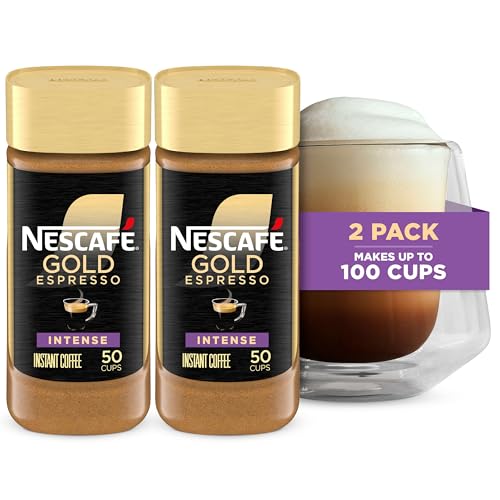
| 2. Nescafé Gold Espresso | Smoother black coffee and balanced lattes | Pure soluble coffee; commonly 3.5 oz or 6.7 oz jars; about 100 or 190 g | $9–$20 |
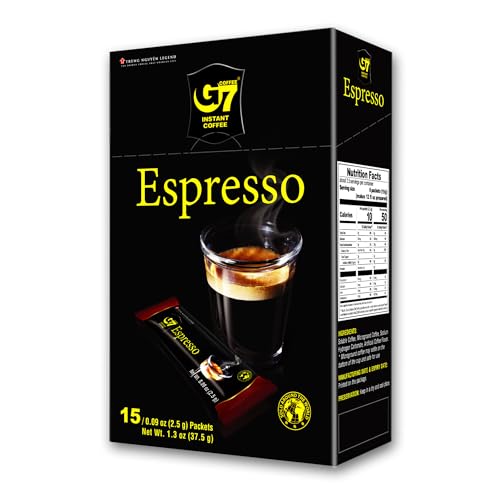
| 3. King of Joe Instant Espresso | Portable single-serve drinks | Pure instant espresso-style coffee; individual sachets, often 0.1–0.12 oz each | $10–$18 per multipack |
| 4. Café Bustelo Instant Espresso Style Coffee | Low-cost, dark, assertive coffee drinks | Instant espresso-style coffee; commonly about 3.5 oz jars; about 100 g | $5–$10 |
| 5. Mount Hagen Organic Instant Coffee | Organic ingredient preference and mild everyday coffee | Organic, fair-trade instant coffee; commonly 3.5 oz jars or single-serve sticks | $9–$18 |
Package sizes and formulations can differ by country, so check the current label before buying. “Espresso” on an instant product generally describes a concentrated dark-roast style, not coffee brewed through an espresso machine.
1. Best overall: Medaglia D’Oro Instant Espresso Coffee
Medaglia D’Oro is the strongest general-purpose choice because its concentrated, dark coffee character works in both recipes and milk-based drinks. The ingredient list is typically simply instant coffee, with no sugar, dairy, flavoring, or creamer. That gives you control over sweetness and makes it suitable for dairy-free and vegan recipes when the rest of the recipe meets those requirements.
Its aroma is deep and roasty rather than delicate. Bitterness is noticeable, especially when mixed too strongly, but that intensity is useful in chocolate desserts: a small amount can make cocoa taste more pronounced without adding liquid to the batter. It dissolves best in hot water, warm milk, melted butter, syrup, or another liquid already present in a recipe. Stirring it directly into cold liquid can leave small dark specks.
Who should buy it: home bakers, people making cappuccino-style drinks without an espresso machine, and anyone who wants one jar for multiple jobs.
Main trade-off: it can taste harsh when served as a plain black coffee. For drinking, begin with approximately 1 teaspoon in 6–8 fluid ounces of water, then adjust rather than using the entire recommended amount at once.
2. Best for drinking black: Nescafé Gold Espresso
Nescafé Gold Espresso is the better fit when the instant coffee will be consumed mostly as a beverage. It generally offers a rounder aroma and less aggressively smoky finish than very dark espresso-style powders. The exact roast profile varies by market, but the product is typically made from soluble coffee without added sugar or creamer.
It dissolves quickly in hot water and produces a relatively smooth cup when measured conservatively. In milk drinks, its softer bitterness can be an advantage, although it may not provide the intense roasted punch that some people want in tiramisu or chocolate cake. Use two teaspoons in a small cup when you need a stronger latte base, or start with one teaspoon for a more moderate drink.
Who should buy it: people who drink instant coffee several times a week, share coffee with people who prefer different strengths, or want a less bitter black cup.
Main trade-off: it often costs more per gram than dark-roast supermarket jars, and its gentler flavor can disappear in heavily flavored desserts.
3. Best packet format: King of Joe Instant Espresso
King of Joe Instant Espresso is the practical choice for offices, travel, camping, desk drawers, and households that use instant espresso only occasionally. Individual sachets reduce measuring and protect unused coffee from repeated exposure to air and humidity. That matters because instant coffee loses aroma faster when a jar is opened frequently and left near a kettle or stove.
The packets are designed for a single drink, but cup size still matters. A sachet intended for a small espresso-style serving may taste weak in a large travel mug. For a stronger milk drink, dissolve the powder in 2–3 fluid ounces of hot water first, then add steamed or cold milk. This creates a concentrated base instead of spreading a small amount of coffee across 12–16 ounces.
Who should buy it: infrequent users, travelers, renters with limited storage, and anyone who values portion control above the lowest cost per serving.
Main trade-off: packets usually cost more per gram and create more packaging waste than a jar. They are also less convenient for baking when a recipe needs several teaspoons.
4. Best budget dark roast: Café Bustelo Instant Espresso Style Coffee
Café Bustelo Instant Espresso Style Coffee is aimed at people who like a bold, dark, traditional espresso-style profile at a relatively low package price. Its aroma is roasty and pronounced, with bitterness that stands up well to sugar, condensed milk, chocolate, and ordinary dairy milk.
It is particularly effective in iced coffee because dilution from ice and milk can mute lighter instant coffees. Dissolve the powder in a small amount of hot water before adding ice; sprinkling it over cold milk is more likely to leave undissolved granules. The dark profile also works in spice-heavy desserts, but it can dominate delicate vanilla or fruit recipes.
Who should buy it: budget-conscious drinkers who prefer strong coffee, people making sweetened iced drinks, and cooks who need a bold espresso-style ingredient without paying a premium.
Main trade-off: the sharper bitterness is less forgiving when served unsweetened. It may require more milk or sugar than smoother products for the same drink.
5. Best for organic preferences: Mount Hagen Organic Instant Coffee
Mount Hagen is a good choice for shoppers who prioritize organic and fair-trade sourcing information on the label. Its standard instant coffee has a milder, cleaner profile than many products marketed as espresso-style, so it is best viewed as an everyday soluble coffee rather than a highly concentrated baking espresso.
It dissolves reliably in hot water and is pleasant in simple coffee drinks. It can work in muffins, coffee cakes, and lighter frostings, but its flavor may be too subtle for a chocolate dessert where the coffee must remain noticeable. Check the exact package because Mount Hagen sells both jars and single-serve formats, and its organic certifications and labeling can vary by region.
Who should buy it: organic-focused households and people who want a mild daily coffee with a transparent ingredient profile.
Main trade-off: the price per gram is usually higher, while the aroma and bitterness may not be strong enough for recipes calling specifically for espresso powder.
How to choose between the ranked brands
Use this decision matrix when the same product will not suit every household:
| Your situation | Best starting choice | Why | What to avoid |
|---|---|---|---|
| Budget under $10 | Café Bustelo or a small Medaglia D’Oro jar | Lower entry cost and strong flavor per teaspoon | Large premium jars before confirming that you like the roast |
| Baking twice a month or more | Medaglia D’Oro | A jar is easier to measure and gives assertive flavor | Single-serve packets, which are awkward for multi-teaspoon recipes |
| One drink occasionally | King of Joe packets | Portion control and better protection from air and moisture | Large jars that may lose aroma before they are finished |
| Mostly black coffee | Nescafé Gold Espresso | More balanced aroma and lower perceived harshness | Very dark products if you dislike bitterness |
| Organic or fair-trade priority | Mount Hagen Organic | Certification and sourcing information are central to the product | Products whose current label does not meet your requirements |
| Small kitchen or travel use | King of Joe packets | No jar, scoop, or long-term storage space required | Bulky multipacks if you rarely drink coffee |
Compare cost per use, not just the shelf price
A simple calculation often changes the ranking. Suppose a 57 g jar costs $7 and you use 2 g per drink. The estimated cost is:
57 g ÷ 2 g = 28.5 drinks; $7 ÷ 28.5 = about $0.25 per drink.
A 12-packet box costing $14 works out to about $1.17 per packet, even though it may reduce waste and protect freshness. If you bake with 6 g at a time, the same jar provides about nine batches, or approximately $0.78 of coffee per batch. This calculation excludes milk, sugar, and other ingredients.
Check the ingredient list before choosing
For coffee flavor that you can control, choose a product whose ingredients list contains only soluble coffee. Instant coffee mixes may also contain sugar, milk powder, palm oil, flavorings, or anti-caking ingredients. Those products can be convenient, but they change sweetness, calories, allergen considerations, and the texture of baked goods.
Match concentration to the job
For a hot drink, dissolve 1–2 teaspoons in 6–8 fluid ounces of water or milk. For iced coffee, dissolve the powder first in 1–2 fluid ounces of hot water, then add cold liquid and ice. For baking, mix the coffee into a liquid ingredient or dissolve it in a teaspoon or two of hot water; adding dry granules directly to flour can distribute flavor unevenly.
In recipes, remember that “instant espresso powder” may mean a product formulated specifically for baking, while ordinary instant espresso-style coffee is primarily intended for drinking. If a recipe calls for a very small amount, start with slightly less of a bitter dark roast and taste the batter or filling when food safety allows.
Storage, freshness, and common mistakes
Instant coffee does not spoil as quickly as brewed coffee, but its aroma degrades when moisture and oxygen enter the container. Keep a jar tightly closed in a cool, dry cupboard, not above a steaming kettle or beside a dishwasher. Use a dry spoon, because damp utensils can create clumps and shorten the product’s useful life.
The first quality loss is usually fragrance, followed by clumping. A jar that smells flat may still dissolve, but it will produce a less aromatic drink. Do not refrigerate an opened jar unless the manufacturer specifically recommends it; temperature changes can cause condensation when the container is opened.
- Do not judge strength by adding powder to a full mug at once; begin with a smaller amount and adjust.
- Do not stir dry powder into a large volume of cold milk; make a concentrated slurry with hot water first.
- Do not confuse instant coffee with coffee grounds; grounds will not dissolve and can make drinks gritty.
- Do not leave the lid loose between uses, especially in humid kitchens.
- Do not use a dark, bitter brand in delicate desserts without reducing the quantity first.
For most households, the buying decision is simple: choose Medaglia D’Oro for the widest cooking and drinking range, Nescafé Gold Espresso for smoother cups, King of Joe for portability, Café Bustelo for inexpensive dark flavor, and Mount Hagen Organic when organic sourcing is the deciding factor.
Frequently Asked Questions
What is the best instant espresso brand for baking?
Medaglia D’Oro is the strongest all-purpose choice because its dark, concentrated flavor remains noticeable in chocolate desserts, tiramisu, frostings, and milk-based recipes. Use a smaller quantity first if the recipe also contains dark chocolate or cocoa. A product labeled specifically as baking espresso powder may be even more concentrated, so follow its package guidance.
Is instant espresso the same as espresso powder?
No. Instant espresso-style coffee is designed to dissolve into a drink, while espresso powder is often a more intensely concentrated baking ingredient. Some recipes use the terms loosely, so compare the package directions and start with less when substituting. Neither product is the same as ground coffee, which does not dissolve.
Which instant espresso is least bitter?
Nescafé Gold Espresso is the best starting point among these ranked choices if you prefer a smoother, less aggressive cup. Use less powder and more milk or water to reduce perceived bitterness further. Roast level, water temperature, serving size, and personal taste all affect the final result.
Are instant espresso packets better than jars?
Packets are better for portability, portion control, and occasional use because each serving is protected until opened. Jars are usually more economical per gram and are much easier for baking or preparing several drinks. Choose packets when freshness and convenience matter more than the lowest cost per serving.
How should instant espresso be stored after opening?
Store it in its original tightly closed container in a cool, dry cupboard away from steam, heat, and sunlight. Always use a dry spoon and close the lid promptly. If the powder develops a persistent damp smell, unusual discoloration, or visible contamination, discard it rather than trying to dry it out.
Can instant espresso be used in iced coffee?
Yes, but dissolve it in a small amount of hot water before adding cold milk and ice. This prevents dry granules from floating or settling at the bottom. For a 12-ounce iced drink, a useful starting point is 1–2 teaspoons of instant espresso-style coffee, adjusted for the brand’s bitterness and your preferred strength.




Write Your Review
No reviews yet. Be the first to share your experience!