

Key takeaways
- Format: ready-to-drink bottled iced coffee.
- Stated serving container: 13.7 fluid ounces.
- Pack size: 12 bottles.
- Flavor style: original, rather than caramel, mocha, vanilla, hazelnut, or cinnamon.
- Preparation: chill and drink; pouring over ice is optional.
Among the best Dunkin Donuts coffee drinks, Dunkin Donuts Iced Coffee, Original, 13.7 Fluid Ounce (Pack of 12) is the best overall choice for people who want a familiar, lightly customizable coffee drink without committing to a very sweet flavor or an energy-drink format. Choose the bottled Caramel Iced Coffee when sweetness and grab-and-go convenience matter most; choose Dunkin’ Original Blend Medium Roast Ground Coffee when you want the best value per serving and control over strength, ice, milk, and sweetener. For a dessert-like bottled drink, Starbucks Frappuccino Mocha is the closest alternative, while Starbucks Doubleshot Energy Mocha is the more specific choice for shoppers seeking a coffee-and-energy-drink style beverage.
This roundup separates ready-to-drink bottles, canned coffee beverages, ground coffee, flavored coffee, creamer, and instant packets rather than treating them as interchangeable. Bottle size, preparation method, flavor intensity, added sweetness, caffeine style, storage, and serving control all change the buying decision. Nutrition also varies considerably: unsweetened brewed coffee is usually easier to customize than a flavored bottled drink, while creamers and sweetened beverages can add substantial calories or sugar depending on the portion. Check the current package label before purchase, especially if caffeine, added sugar, dairy ingredients, or allergens are important to you.
Top 3 Picks
Best overall: Dunkin Donuts Iced Coffee, Original, 13.7 Fluid Ounce
This is the most versatile pick in the group for a cold coffee drink that is recognizable, portable, and less flavor-specific than caramel, mocha, cinnamon roll, or hazelnut options. It suits office refrigerators, packed lunches, and shoppers who want a bottle they can drink chilled or pour over ice, although the label should be checked for its exact sweetener and nutrition profile.
Best budget and flexibility: Dunkin’ Original Blend Medium Roast Ground Coffee, 30 Oz. Canister
The large canister is the strongest choice for households that brew coffee repeatedly and want to adjust serving size, brew strength, milk, and sweetener themselves. It requires equipment and preparation, but the format generally offers more servings and less packaging per cup than individual bottles or cans.
Best for a sweet treat: Starbucks Frappuccino Coffee Drink, Mocha, 13.7 fl oz Bottles
The mocha bottled Frappuccino is aimed at shoppers who want coffee with a pronounced chocolate-and-dessert profile rather than a plain coffee taste. It is convenient and ready to drink, but its sweetened, creamy style makes it less adaptable than brewed ground coffee and less suitable for people seeking a minimally sweet cup.
Quick Comparison
| Product | Best for | Key specs | Price tier |
|---|---|---|---|
| Dunkin Donuts Iced Coffee, Original | Classic chilled coffee | 13.7 fl oz bottle; 12-pack; ready to drink | Premium |
| Dunkin’ Caramel Iced Coffee Bottle | Sweet caramel flavor | 13.7 fl oz bottle; 12-pack; ready to drink | Premium |
| Starbucks Frappuccino Coffee Drink, Mocha | Chocolate dessert-style coffee | 13.7 fl oz bottle; 12-pack; ready to drink | Mid-range |
| Starbucks Doubleshot Energy, Mocha | Coffee plus energy-drink format | 15 fl oz can; 12-pack; ready to drink | Premium |
| Dunkin’ Original Blend Medium Roast Ground Coffee | Everyday home brewing | 30 oz canister; ground coffee; brew to taste | Mid-range |
| Dunkin’ French Vanilla Coffee | Vanilla-flavored brewing | 12 oz bag; ground coffee; brew to taste | Budget |
| Dunkin’ Hazelnut Ground Coffee | Nutty flavored brewing | 12 oz bag; ground coffee; brew to taste | Budget |
| Dunkin’ Cinnamon Roll Ground Coffee | Bakery-style flavor | 11 oz bag; artificially flavored; ground coffee | Mid-range |
| Dunkin’ Caramel Flavored Medium Roast Ground Coffee | Caramel flavor at home | 11 oz bag; medium roast; ground coffee | Budget |
| Mixed Flavors Original Iced Bottled Coffee Drink | Trying assorted bottled flavors | 13.7 fl oz bottles; one bottle each flavor stated in listing; ready to drink | Premium |
| Dunkin’ Extra Extra Coffee Creamer | Customizing brewed coffee | 32 fl oz container; coffee creamer; refrigerated product category | Budget |
| Dunkin’ Cold Iced Coffee Powdered Instant Packs | Portable iced coffee preparation | 6-count box; powdered instant coffee packs; add to water | Budget |
How We Chose
The selection focuses on the decision a coffee shopper actually makes: whether to buy a ready-to-drink bottle, a can, ground coffee, a creamer, or a portable instant format. We compared the stated package size, number of units, preparation required, roast or flavor description, and likely use case rather than treating brand familiarity as a substitute for product fit. A 13.7-ounce bottle is convenient for one cold serving, but a 30-ounce canister can support many brewed servings and allows more control over concentration and additions. The products also differ in sweetness and caffeine style; a flavored coffee is not the same thing as a coffee beverage with added energy-drink positioning.
We considered upgrade paths as well. Someone starting with instant packets can move to ground coffee for lower packaging and greater control, while a bottled-coffee buyer can add ice, milk, or creamer without buying brewing equipment. Nutrition comparisons are limited to general category guidance because formulas, serving sizes, and labels can change. No product is described as medically beneficial, and the package label remains the authority for caffeine, sugar, calories, dairy ingredients, and allergens.
1. Dunkin Donuts Iced Coffee, Original – Best for classic bottled iced coffee
This original bottled iced coffee is the most balanced recommendation for a shopper who wants a familiar Dunkin-style cold coffee without choosing a strongly flavored profile. The listing identifies a 13.7-fluid-ounce bottle and a 12-pack, which makes the format practical for keeping several individual servings cold at home, in an office refrigerator, or for occasional travel where refrigeration is available. It is a ready-to-drink product, so the ownership trade-off is convenience in exchange for less control over strength and ingredients than with brewed coffee.
Key specs
- Format: ready-to-drink bottled iced coffee.
- Stated serving container: 13.7 fluid ounces.
- Pack size: 12 bottles.
- Flavor style: original, rather than caramel, mocha, vanilla, hazelnut, or cinnamon.
- Preparation: chill and drink; pouring over ice is optional.
The original profile is useful when several people have different preferences. One person can drink it as supplied, another can dilute it over ice, and another can add milk or a small amount of creamer. Because the product is already formulated, adding ice changes concentration as it melts; adding milk changes body and flavor but does not make the drink unsweetened. Review the current nutrition panel if you are comparing it with plain brewed coffee, because “original” describes flavor positioning rather than guaranteeing no sugar or no calories.
Strengths
The main strength is decision simplicity. It avoids the commitment of a large ground-coffee bag while offering more portability than a coffee maker. The 12-pack is also easier to portion than a large bottle that must be opened and repeatedly poured, although it occupies more refrigerator space and creates more packaging.
Pros
- Classic flavor is less polarizing than a strongly flavored option.
- Individual 13.7-ounce bottles are easy to portion.
- No brewer, filters, grinder, or measuring is required.
- Can be served cold, over ice, or customized with milk.
Cons
- Less control over sweetness and coffee concentration than home brewing.
- A 12-pack needs meaningful refrigerator or pantry planning before chilling.
- Packaging cost per serving is typically higher than brewing ground coffee.
- The exact nutrition profile must be checked on the current label.
Nearest alternative
The closest alternative here is Dunkin’ Caramel Iced Coffee Bottle. Choose the original when you want a neutral base or may add your own milk; choose caramel when the flavor itself is the reason for buying. Compared with the 30-ounce Original Blend canister, this bottle wins on speed and portability but loses on long-term serving economy and customization.
2. Dunkin’ Caramel Iced Coffee Bottle – Best for sweet caramel flavor
As an Amazon Associate we earn from qualifying purchases at no extra cost to you.

The caramel bottled coffee is the direct pick for shoppers who view flavor as the priority. Its listing states a 13.7-fluid-ounce bottle and a 12-pack, matching the portion and storage logic of the original bottled iced coffee while shifting the taste toward caramel. It is a good fit for an afternoon treat, a sweet breakfast companion, or anyone who does not want to measure syrup or flavored creamer at home.
Key specs
- Format: ready-to-drink iced coffee in bottles.
- Stated container size: 13.7 fluid ounces.
- Pack size: 12 bottles.
- Flavor: caramel.
- Preparation: serve chilled; ice and milk are optional additions.
Caramel flavor can make coffee more approachable for people who find medium-roast coffee too bitter, but it also narrows the range of food pairings compared with an original drink. It can work well with breakfast pastries, plain toast, or a dessert-style snack. If you add creamer, remember that the combination may become considerably sweeter and richer than expected. If you use ice, choose a full glass rather than a few cubes when you want significant dilution, because a small amount of melting ice will mostly chill the drink rather than change its concentration.
Strengths
This product removes several small preparation tasks: there is no syrup bottle to store, no spoon to wash, and no need to reproduce a caramel flavor consistently. Individual bottles also help with portion awareness compared with repeatedly filling a large cup from a multi-serving container. The main cost is that flavor and sweetness are built in, so the drink is less adjustable once opened.
Pros
- Clear caramel flavor without separate syrup.
- Portable 13.7-ounce serving format.
- Convenient for households that do not brew coffee.
- Works as a base for ice, milk, or a small amount of creamer.
Cons
- Less suitable for people who prefer plain or lightly sweet coffee.
- Adding sugar or creamer can make the drink overly sweet.
- Packaged bottles usually cost more per serving than ground coffee.
- Refrigeration and label instructions should be followed after purchase.
Nearest alternative
Dunkin’ Caramel Flavored Medium Roast Ground Coffee provides a similar flavor direction with much greater control over brew strength and additions. The bottled drink is better for immediate cold consumption; the ground coffee is better for people willing to brew and who want to decide how much milk or sweetener enters each cup. The original bottled iced coffee is the better neutral choice.
3. Starbucks Frappuccino Coffee Drink, Mocha – Best for chocolate dessert-style coffee
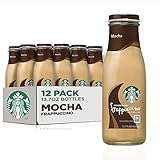
This bottled mocha Frappuccino is the strongest fit for a shopper who wants coffee combined with a chocolate-forward, creamy, sweet treat profile. The listing states 13.7-fluid-ounce bottles in a 12-pack. It is not the right substitute for plain cold brew or unsweetened iced coffee; it belongs in the dessert-style coffee category and should be assessed by its current nutrition label rather than by the word “coffee” alone.
Key specs
- Format: ready-to-drink bottled coffee beverage.
- Stated container size: 13.7 fluid ounces.
- Pack size: 12 bottles.
- Flavor: mocha.
- Serving method: chilled and ready to drink; ice is optional.
The mocha profile makes this useful when coffee bitterness needs to be softened by chocolate flavor. It can also serve as a planned sweet snack, but it is less flexible than plain coffee because adding more syrup, whipped topping, or sweetened creamer can quickly move the drink away from an everyday beverage. If the bottle is used as a breakfast item, consider the rest of the meal rather than assuming it provides the same balance as a conventional breakfast.
Strengths
The product is consistent from bottle to bottle and requires no blender, espresso machine, chocolate sauce, or milk pitcher. The individual format is easy to portion, and the mocha style gives it a clear role in a mixed household: people who want plain coffee can choose another product, while dessert-coffee drinkers have a ready option.
Pros
- Distinct chocolate-and-coffee flavor.
- Ready to chill and serve.
- 13.7-ounce bottles are convenient for individual use.
- Useful as an alternative to preparing a blended mocha at home.
Cons
- Sweetness and creaminess are built into the drink.
- Not the best match for unsweetened-coffee drinkers.
- Per-serving packaging and storage requirements are higher than ground coffee.
- Current calories, sugar, and caffeine should be checked on the label.
Nearest alternative
Dunkin’ Caramel Iced Coffee is the nearest ready-to-drink alternative, but it emphasizes caramel rather than chocolate and may have a different body. Choose the Starbucks bottle for mocha flavor; choose Dunkin’ original for a more neutral coffee base. The Starbucks Doubleshot Energy Mocha is more appropriate when the shopper specifically wants an energy-drink-style format, not simply a sweet mocha.
4. Starbucks Doubleshot Energy Mocha – Best for an energy-drink-style coffee

This canned beverage is the most specialized product in the roundup. Its listing identifies a mocha iced coffee beverage in 15-fluid-ounce cans and positions it as a Doubleshot Energy product, so it should be compared with other caffeinated energy-style drinks as well as with coffee. It is for shoppers who want a portable can, mocha flavor, and an energy-oriented format rather than a basic bottled iced coffee.
Key specs
- Format: canned coffee beverage with energy-drink positioning.
- Stated container size: 15 fluid ounces.
- Pack size: 12 cans.
- Flavor: mocha.
- Preparation: ready to drink, usually chilled.
The central buying question is tolerance and timing. A 15-ounce can is larger than the 13.7-ounce bottled products listed here, but volume alone does not tell you how much caffeine it contains. Read the current can for caffeine, added sugar, and other ingredients, and account for coffee, tea, chocolate, supplements, or energy products consumed during the same day. People who are pregnant, sensitive to caffeine, taking relevant medication, or managing a health condition should ask a qualified professional about an appropriate caffeine intake.
Strengths
The can is durable and portable, and the mocha flavor can be easier to drink than a plain energy beverage. It is also a clear choice for someone who specifically wants the product category rather than accidentally selecting a sweet bottled coffee that does not have the same positioning.
Pros
- 15-ounce can offers a substantial single serving.
- Mocha flavor combines chocolate notes with coffee.
- Portable format works for commuting and travel.
- Clearly differentiated energy-style positioning.
Cons
- Higher caffeine concentration or total caffeine may not suit everyone.
- Less appropriate as a casual evening coffee.
- Current caffeine and sugar values must be checked before purchase.
- Not the best choice for shoppers seeking simple brewed coffee.
Nearest alternative
Starbucks Frappuccino Mocha is the closest flavor comparison, but it is a bottled coffee drink rather than the same energy-oriented category. Choose the Doubleshot Energy can only when the caffeine style and product positioning fit your routine. For ordinary daily coffee, Dunkin’ Original Blend ground coffee offers more control and makes portion strength easier to adjust.
5. Dunkin’ Original Blend Medium Roast Ground Coffee – Best for everyday home brewing

The 30-ounce Dunkin’ Original Blend Medium Roast canister is the best ownership choice for households that brew coffee often. Unlike a ready-to-drink bottle, it lets you control the ratio of grounds to water, the serving size, the temperature of the drink, and every addition afterward. The listing identifies the product as ground coffee and a 30-ounce canister, so it is especially suited to drip brewers, filter brewers, and other equipment designed for pre-ground coffee.
Key specs
- Format: medium-roast ground coffee.
- Stated package amount: 30 ounces.
- Container: canister.
- Preparation: brew with compatible coffee equipment.
- Flavor direction: original blend rather than a named sweet flavor.
A useful way to compare the canister with bottled coffee is by servings, not package count. A common home-brewing starting point is roughly 1 to 2 tablespoons of ground coffee per 6 fluid ounces of water, but equipment, grind, roast, and personal preference change the result. If a household uses 30 grams per approximately 24 fluid ounces of brewed coffee, a 30-ounce package contains roughly 28 such batches before unavoidable variation from scoop size, retention, and waste. That is an estimate for planning, not a guaranteed serving count.
Strengths
The upgrade path is excellent. Start with a basic drip machine, then improve the filter, water, scale, grind freshness, or brewing ratio without changing the coffee format. It is also easier to prepare a lower-sweetness drink because plain brewed coffee contains no flavored creamer unless you add it.
Pros
- Large 30-ounce package suits frequent brewing.
- Medium roast is versatile for black coffee or additions.
- Strength and serving size can be adjusted.
- Usually creates less individual packaging than bottled coffee.
Cons
- Requires a brewer, water, filters, and cleanup.
- Ground coffee loses freshness faster than unopened whole beans.
- A canister takes more storage space than a small bag.
- It cannot provide an immediate chilled drink without cooling or adding ice.
Nearest alternative
Dunkin’ French Vanilla, Hazelnut, Cinnamon Roll, and Caramel ground coffees provide stronger built-in flavor direction in smaller packages. Choose Original Blend when flexibility and repeat use matter; choose a flavored bag when you already know the taste you want and do not want to add syrup or creamer.
6. Dunkin’ French Vanilla Coffee – Best for familiar vanilla flavor

Dunkin’ French Vanilla Coffee is a 12-ounce bag of flavored coffee for shoppers who want vanilla character in the brewed cup. It is a better fit than the original blend when the household routinely adds vanilla creamer or syrup and would prefer to build some flavor into the grounds. Because it is ground coffee, the final strength and sweetness remain partly under the brewer’s control.
Key specs
- Format: flavored ground coffee.
- Stated package amount: 12 ounces.
- Flavor: French vanilla.
- Preparation: brew with a compatible coffee maker.
- Customization: milk, creamer, sweetener, and ice can be added after brewing.
French vanilla flavor does not necessarily mean the finished cup has the same richness as a bottled French vanilla beverage. Ground flavored coffee supplies aroma and taste, while body depends on the coffee-to-water ratio and brewing method. If the cup tastes weak, first adjust the amount of coffee or water rather than compensating with large amounts of sugar. Store the bag closed in a cool, dry cupboard and use a clean, dry scoop to limit moisture and stale flavors.
Strengths
This format gives a useful middle ground between plain coffee and a fully formulated sweet drink. You can brew it black, add a modest amount of milk, or use it as the base for iced coffee. It also avoids needing a separate bottle of vanilla syrup, although the flavor intensity may be subtler than syrup-based drinks.
Pros
- Recognizable vanilla flavor for home brewing.
- 12-ounce bag is manageable for occasional drinkers.
- More control than a ready-to-drink vanilla beverage.
- Can be served hot or chilled after brewing.
Cons
- Requires equipment and preparation time.
- Flavor strength cannot be changed after brewing as easily as adding syrup.
- Flavored grounds may not suit drinkers who prefer a clean coffee profile.
- Exact ingredient and nutrition details should be checked on the current bag.
Nearest alternative
Hazelnut ground coffee is the closest flavor alternative, with a nuttier rather than vanilla direction. Choose French vanilla for a softer bakery-and-cream association; choose Original Blend if several drinkers need a neutral base. Compared with bottled iced coffee, this bag takes longer but offers better control and less dependence on refrigerated single servings.
7. Dunkin’ Hazelnut Ground Coffee – Best for nutty flavored brewing
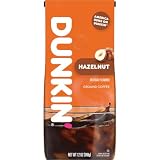
Dunkin’ Hazelnut Ground Coffee is a 12-ounce bag for people who want a nutty flavor in the coffee itself. It suits morning drinkers who like flavored coffee but still want to determine the brew strength and whether to add milk or sweetener. The product is ground rather than whole bean, so it is ready for a standard compatible brewer without a grinder.
Key specs
- Format: flavored ground coffee.
- Stated package amount: 12 ounces.
- Flavor: hazelnut.
- Preparation: brew with a drip, filter, or other compatible coffee method.
- Serving flexibility: hot coffee, chilled coffee, or coffee over ice.
Hazelnut is a useful choice for people who want flavor without committing to a chocolate or caramel profile. It can pair well with milk, but sweetened creamer may obscure the coffee and nutty notes. If allergies are a concern, inspect the current ingredient and allergen statement rather than relying on the flavor name; flavor names and allergen disclosures are not interchangeable.
Strengths
The bag is relatively easy to fit into a regular coffee routine. It can replace plain grounds without changing the brewer, and the household can keep the cup lighter by using unsweetened milk or drinking it black. Brewing a concentrate for iced coffee is possible, but it should be cooled promptly and stored according to food-safety guidance rather than left at room temperature.
Pros
- Distinct nutty flavor without a separate syrup.
- 12-ounce format works for occasional or regular use.
- Brewing provides control over strength and serving size.
- Suitable for hot or cold preparation.
Cons
- Requires a brewer and cleanup.
- Nutty flavor may not appeal to people seeking classic coffee.
- Ground coffee needs protection from heat, light, air, and moisture.
- Current allergen information should be read carefully.
Nearest alternative
French Vanilla is the nearest alternative for a smooth flavored cup, while Caramel Flavored Medium Roast is the nearest alternative for a sweeter dessert association. Hazelnut is the better pick when you want a roasted, nutty identity without chocolate or caramel taking over.
8. Dunkin’ Cinnamon Roll Ground Coffee – Best for bakery-style flavor

Dunkin’ Cinnamon Roll Artificially Flavored Ground Coffee is for shoppers who want a bakery-inspired cup without preparing a cinnamon roll or adding flavored syrup. The listing identifies an 11-ounce bag and states that it is artificially flavored ground coffee. That description is important: the product provides a cinnamon-roll flavor concept, but it is still brewed coffee rather than a pastry or a complete breakfast.
Key specs
- Format: artificially flavored ground coffee.
- Stated package amount: 11 ounces.
- Flavor direction: cinnamon roll.
- Preparation: brew with compatible coffee equipment.
- Best use: flavored hot coffee or homemade iced coffee.
This flavor works best for drinkers who enjoy aroma as much as sweetness. Brew it at a moderate strength first, then add milk or a small amount of sweetener only if needed. Cinnamon-roll flavor can become muddled when combined with several competing additions, so a simple splash of milk may be more useful than caramel syrup and sweetened creamer together. Check the label for current ingredients if artificial flavoring or specific dietary restrictions matter.
Strengths
It creates a special-occasion feeling from ordinary brewing equipment. The 11-ounce bag is smaller than the 30-ounce original canister, which reduces the commitment if only one person in the household likes bakery flavors. It can also be rotated with plain coffee instead of forcing every drinker to use the same flavor.
Pros
- Distinct cinnamon-roll profile.
- Works with standard ground-coffee equipment.
- Smaller bag limits overbuying for occasional use.
- Can be customized with milk, ice, or modest sweetener.
Cons
- Artificially flavored profile will not appeal to everyone.
- Smaller package may offer fewer servings than a large canister.
- Requires brewing and equipment cleanup.
- Adding multiple sweet ingredients can make the cup overly rich.
Nearest alternative
Caramel Flavored Medium Roast is the nearest alternative for a dessert-style cup, while French Vanilla is milder and more broadly compatible with breakfast foods. Choose Cinnamon Roll for a spiced bakery impression; choose Original Blend if you want one coffee that can serve the greatest number of preferences.
9. Dunkin’ Caramel Flavored Medium Roast Ground Coffee – Best for caramel flavor at home

This 11-ounce bag combines a medium-roast ground-coffee format with caramel flavor. It is the best fit for shoppers who enjoy the idea of caramel iced coffee but want to brew their own drink and decide how much milk, ice, or sweetener to use. The bag is smaller than the 30-ounce Original Blend canister, making it more appropriate for a flavor rotation or a smaller household.
Key specs
- Format: caramel-flavored medium-roast ground coffee.
- Stated package amount: 11 ounces.
- Flavor: caramel.
- Preparation: brew with compatible coffee equipment.
- Use: hot coffee, chilled coffee, or coffee poured over ice.
Home brewing gives this product a practical advantage over bottled caramel coffee: you can make a smaller cup, brew stronger coffee for ice, or use unsweetened milk instead of automatically adding more sweetness. To make iced coffee without excessive dilution, brew a little stronger than your hot preference and cool it promptly, or pour over enough ice to chill quickly. Avoid leaving brewed coffee at room temperature for extended periods.
Strengths
The medium-roast description suggests a flexible base for caramel flavor, while the ground format supports ordinary drip equipment. It is also easier to control portion size than a fixed bottle. A modest amount of milk can soften the drink, and a separate creamer can be reserved for people who want more richness.
Pros
- Caramel flavor with home-brewing flexibility.
- 11-ounce bag is useful for smaller households or rotation.
- Medium-roast base can work hot or iced.
- Allows the drinker to choose additions and serving size.
Cons
- Needs a brewer, water, filters, and cleaning.
- Built-in flavor cannot be removed if preferences change.
- Smaller package may not suit heavy daily consumption.
- Ingredient and nutrition details can vary by formulation and should be checked.
Nearest alternative
Dunkin’ Caramel Iced Coffee is faster and more portable, while this ground coffee is more economical and adjustable for regular home use. Choose the bottle for convenience; choose the bag when you already own a brewer and want to control sweetness and ice dilution.
10. Mixed Flavors Original Iced Bottled Coffee Drink – Best for variety

The Mixed Flavors Original Iced Bottled Coffee Drink is aimed at shoppers who want assortment rather than one repeated flavor. The listing states 13.7-fluid-ounce bottled coffee drinks and indicates one bottle of each flavor in the mixed-flavor offering, along with a King Combos QR code. Because the listing title is not a full flavor inventory, confirm the current package contents before ordering if a particular flavor is essential.
Key specs
- Format: assorted ready-to-drink iced bottled coffee.
- Stated bottle size: 13.7 fluid ounces.
- Pack structure: mixed flavors; listing states one bottle each flavor.
- Brand/category shown: KING COMBOS; coffee drinks are presented as bottled iced coffee.
- Preparation: chill and serve; ice is optional.
Mixed packs are useful when a household has different preferences or when someone wants to sample before buying a full case of one flavor. They are less efficient when one flavor is clearly preferred because some bottles may remain unused. For a workplace or gathering, variety can reduce complaints, but it also makes it harder to predict the nutrition profile of each serving. Treat each bottle as its own product and read its label.
Strengths
The assortment creates an easy comparison opportunity without requiring multiple separate purchases. Individual bottles remain portable and portioned, and the variety can make a refrigerator selection more appealing. The QR-code inclusion may provide promotional or supplemental content, but it should not be treated as part of the coffee’s nutrition or performance.
Pros
- Variety supports households with different taste preferences.
- 13.7-ounce bottles are simple to portion.
- Useful for sampling several listed flavors.
- No brewing equipment is required.
Cons
- Exact flavor mix should be confirmed before purchase.
- Less efficient if only one flavor is wanted.
- Requires cold storage and produces individual packaging.
- Nutrition may differ from bottle to bottle within the assortment.
Nearest alternative
Dunkin’ Original Iced Coffee is better when you want a predictable flavor across every serving, while the Mixed Flavors pack is better for experimentation. Starbucks Frappuccino Mocha is a more specific single-flavor choice with a chocolate dessert direction rather than an assortment.
11. Dunkin’ Extra Extra Coffee Creamer – Best for customizing brewed coffee
Dunkin’ Extra Extra Coffee Creamer is not a standalone coffee drink; it is a 32-fluid-ounce creamer intended to change the body, sweetness, and richness of brewed coffee. It is the right pick for people who already make coffee at home and want a repeatable addition, especially when plain Original Blend or a flavored ground coffee tastes too thin or bitter. Because it is a refrigerated creamer category product, follow the package storage and use instructions after opening.
Key specs
- Format: coffee creamer.
- Stated container size: 32 fluid ounces.
- Use: add to brewed coffee rather than drink as coffee itself.
- Style: “Extra Extra,” indicating a richer, sweeter creamer positioning.
- Compatibility: hot or iced coffee, depending on the label’s directions.
The most important ownership habit is measuring. A free-poured splash can become several tablespoons, changing calories and sweetness far more than expected. Begin with a measured small amount, stir, and add more only if necessary. For iced coffee, mix creamer into the coffee before adding a large amount of ice when possible; this helps it disperse evenly and reduces the chance of a cold layer settling at the bottom.
Strengths
A creamer offers control that a fully sweetened bottled drink cannot. One household can brew the same coffee and let each person add a different amount. The 32-ounce container also supports repeated use, although its value depends on how quickly it is consumed and whether it fits the household’s refrigerator space.
Pros
- Lets each drinker customize sweetness and richness.
- 32-ounce format suits repeated home use.
- Works with plain or flavored brewed coffee.
- Can make ordinary coffee taste more dessert-like without syrup.
Cons
- It does not replace coffee, water, or brewing equipment.
- Free pouring makes nutrition and portion control difficult.
- Requires attention to refrigeration and expiration guidance.
- “Extra Extra” may be too sweet or rich for some drinkers.
Nearest alternative
Caramel or French Vanilla ground coffee builds flavor into the brew, while this creamer keeps the base coffee changeable. Choose creamer when different people want different levels of sweetness; choose flavored grounds when you want a consistent aroma without adding a liquid ingredient to every cup.
12. Dunkin’ Cold Iced Coffee Powdered Instant Packs – Best for portable preparation

Dunkin’ Cold Iced Coffee Powdered Instant Coffee Packs are the convenience option for people who want iced coffee without carrying bottles or using a brewer. The listing states a six-count package of powdered instant coffee packs. The important distinction is that these are a preparation ingredient, not a ready-to-drink beverage: you add them to water according to the package directions and then chill or pour over ice.
Key specs
- Format: powdered instant coffee packs.
- Pack size: six individual packs.
- Preparation: dissolve or mix with water as directed.
- Serving style: cold iced coffee, generally served over ice.
- Equipment: no coffee maker required; a cup and stirring method are needed.
Instant packs are especially useful in offices, dorm rooms, hotel rooms, camping situations with suitable drinking water, and kitchens with limited counter space. The result depends on water volume, temperature, mixing time, and ice. Use the recommended water amount first; using too much water makes the drink weak, while too little can make it intense and difficult to dissolve. A leak-resistant bottle or tumbler is useful for shaking, but leave headspace and ensure the lid is secure.
Strengths
The six-pack has a small storage footprint and avoids filters, grounds, and brewer cleaning. It also creates less refrigerator demand than a 12-pack of bottled drinks. For occasional iced-coffee drinkers, that can prevent open bottles from lingering after the preferred freshness period.
Pros
- Portable and simple to store.
- No coffee maker or filter is required.
- Useful for travel, work, dorms, and small kitchens.
- Portioned packs reduce measuring mistakes.
Cons
- Only six preparations are included.
- Texture or flavor may differ from brewed iced coffee.
- Requires water, ice, and mixing.
- Current sugar, caffeine, and ingredient information should be checked.
Nearest alternative
Bottled original iced coffee is faster once chilled, but the instant packs are easier to carry and store. Ground coffee offers the greatest brewing control, while instant packs win when space, equipment, and preparation time are the decisive constraints.
How to Choose
Start by deciding whether you want coffee that is already finished or coffee that you will build yourself. Ready-to-drink bottles and cans solve the preparation problem: chill, open, and drink. Ground coffee and creamer create more work but give you control over serving size, strength, temperature, milk, and sweetener. Instant packs sit between the two. They need water and ice but not a machine.
Choose by daily situation
| Your situation | Best starting choice | Why |
|---|---|---|
| No brewer or limited kitchen | Dunkin’ Cold Iced Coffee Powdered Instant Packs | Six portable preparations without a coffee maker |
| Need one cold serving quickly | Dunkin Donuts Iced Coffee, Original | 13.7-ounce ready-to-drink bottle |
| Want a sweet flavored treat | Dunkin’ Caramel Iced Coffee or Starbucks Frappuccino Mocha | Flavor is already built in |
| Make coffee most days | Dunkin’ Original Blend, 30-ounce canister | Large ground-coffee format and adjustable brewing |
| Several people want different flavors | Mixed Flavors Original Iced Bottled Coffee Drink | Assorted bottle selection |
| Want to customize each cup | Ground coffee plus Extra Extra Creamer | Separates coffee strength from sweetness and richness |
| Want energy-drink positioning | Starbucks Doubleshot Energy Mocha | 15-ounce canned energy-style coffee beverage |
Compare volume and serving control
The ready-to-drink products cluster around 13.7 ounces, while the Starbucks Doubleshot Energy product is listed at 15 ounces. That difference is only 1.3 fluid ounces, but it matters if you regularly drink the entire container and are comparing total caffeine, sugar, or calories. Do not infer caffeine from volume alone. A larger container can have less, equal, or more caffeine depending on the formulation.
Ground coffee uses a different measurement system. The 30-ounce Original Blend canister contains substantially more coffee by package weight than the 11- or 12-ounce flavored bags, but the number of cups depends on how much coffee you use per brew. A practical planning calculation is:
Approximate batches = package weight in grams divided by grams of grounds used per batch.
Thirty ounces is approximately 850 grams. At 30 grams per batch, that is about 28 batches. At 20 grams per batch, it is about 42 batches. Those figures are estimates because scoops vary, some grounds remain in the filter, and many brewers define a “cup” as 5 or 6 fluid ounces rather than a large mug. The calculation still shows why a large canister can be more economical for frequent drinkers.
Choose roast and flavor deliberately
Original Blend Medium Roast is the broadest starting point because it does not commit the entire package to a dessert or nut flavor. French Vanilla is a softer flavored option, Hazelnut adds a nutty direction, Cinnamon Roll emphasizes bakery spice, and Caramel Flavored Medium Roast moves toward a sweet dessert profile. These distinctions matter more at home than in a café because you may drink the same bag for several weeks.
For a household with varied preferences, buy a neutral base and keep additions separate. A person who likes black coffee can use the Original Blend alone, while another can add Extra Extra Creamer. With a fully flavored bag, the underlying flavor is present in every cup and cannot be removed. If only one person enjoys a specialty flavor, the 11- or 12-ounce bag can be a lower-commitment choice than a large canister.
Think about sweetness and nutrition
“Coffee,” “iced coffee,” and “flavored coffee” do not describe the same nutrition profile. Brewed plain coffee is usually the easiest format to customize because you decide whether to add sugar, milk, creamer, or syrup. Flavored grounds may provide aroma and flavor without requiring the same additions, but read the ingredient and nutrition panel for the current product. Ready-to-drink mocha and caramel beverages may include sweeteners or dairy-style ingredients, and creamer adds its own calories and sugars according to the serving amount.
Portion size is equally important. A 13.7-ounce bottle is an individual container, but that does not guarantee that every person should consume the entire bottle at once. A 32-ounce creamer container is a multi-use package, not a serving. The only reliable comparison is to place each label’s serving size, caffeine, calories, added sugar, and saturated fat—where listed—side by side. If you are limiting caffeine or managing a medical condition, consult a qualified health professional rather than using a generic coffee recommendation.
Consider caffeine style and timing
For most shoppers, the relevant question is not simply “Which coffee has the most caffeine?” It is “How much caffeine will I consume, and when?” Ready-to-drink bottles and ground coffee can fit a morning routine, while a product explicitly positioned as an energy drink deserves more careful timing. Chocolate flavor does not reliably indicate caffeine, and bottle volume does not reliably indicate caffeine either.
Read the current label on every product, especially the Starbucks Doubleshot Energy Mocha. Add together caffeine from coffee, tea, soda, chocolate, pre-workout products, and medication when applicable. People who are pregnant or breastfeeding, under the age of 18, sensitive to caffeine, or taking medications that may interact with caffeine should ask a clinician for individualized guidance.
Account for storage and freshness
Unopened ready-to-drink products are convenient, but you need a plan for chilling them. A 12-pack of 13.7-ounce bottles contains roughly 164.4 fluid ounces of drink, not counting packaging, so it can occupy meaningful refrigerator space. Chill only what you expect to use soon if your storage instructions permit, and follow the label after opening. Cans and bottles should not be left in excessive heat.
Ground coffee is less demanding in refrigerator space but more sensitive to air, moisture, light, and heat. Close the bag or canister promptly, keep it in a cool, dry cupboard, and use a dry scoop. Freezing coffee can introduce moisture and repeated temperature changes when the container is opened, so a small airtight portioning strategy is preferable to repeatedly opening a large container if you choose that method.
Creamer requires a different ownership routine. Keep it refrigerated as directed, do not return a contaminated spoon to the container, and respect the use-by guidance. If the creamer smells sour, separates unusually, or has been stored improperly, discard it rather than trying to rescue the coffee.
Match the product to your equipment
Ground coffee works with a drip machine, pour-over cone, French press, or other equipment designed for grounds, but the grind and filter requirements differ. Do not put loose grounds directly into a brewer that requires a paper filter. Use clean water, avoid overfilling the basket, and clean the machine according to its manual. Mineral buildup can slow water flow and change extraction, making a coffee seem weak or bitter even when the grounds are fine.
Instant packs need only a cup or shaker, water, and ice. Use enough water to dissolve the powder before filling the cup with ice. If the powder clumps, stir in a small amount of room-temperature water first, then add cold water. Bottled coffee requires no equipment, but pouring over ice in a glass makes it easier to moderate dilution than drinking directly from the bottle.
Budget by cost per use, not package label
Price tiers change with pack size, promotions, shipping, and local availability, so a product labeled budget is not always the least expensive drink per serving. Calculate:
Cost per use = total package price divided by the number of practical servings.
For a 12-pack, the starting denominator is 12 bottles or cans. For a six-count instant pack, it is six prepared drinks. For ground coffee, estimate batches using the package-weight calculation above, then adjust for your actual dose. For creamer, divide the container volume by the number of fluid ounces used per cup; a 32-ounce container used at 1 fluid ounce per cup theoretically supports 32 additions, although spills and larger pours reduce that number.
This calculation also explains why “premium” can still be the right choice. A bottled drink may cost more per serving than ground coffee, but it may replace a café purchase, eliminate equipment, and prevent unused coffee from going stale. Conversely, a large canister is poor value if one person drinks flavored coffee only occasionally and the rest of the package loses freshness before use.
Use a simple decision matrix
| Priority | First choice | Second choice | Watch for |
|---|---|---|---|
| Lowest preparation effort | Original bottled iced coffee | Caramel bottled iced coffee | Refrigeration and fixed formula |
| Lowest equipment requirement | Instant packs | Ready-to-drink bottles | Water, ice, and flavor expectations |
| Most flavor control | Original Blend plus creamer | Plain or flavored ground coffee | Brewing and cleaning time |
| Most chocolate-forward option | Frappuccino Mocha | Doubleshot Energy Mocha | Sweetness and caffeine timing |
| Most portable unopened format | Instant packs | 15-ounce can | Water availability or can weight |
| Best for frequent brewing | 30-ounce Original Blend | 12-ounce flavored bag | Freshness and storage |
| Best for multiple preferences | Mixed Flavors pack | Original bottles plus creamer | Unused flavors or bottles |
Frequently Asked Questions
What is the best Dunkin Donuts coffee drink overall?
Dunkin Donuts Iced Coffee, Original, 13.7 Fluid Ounce is the best overall ready-to-drink choice because it has a familiar coffee profile and can be served as supplied or customized with ice and milk. For home brewing, Dunkin’ Original Blend Medium Roast in the 30-ounce canister is the more flexible long-term choice.
Which product is best if I do not own a coffee maker?
Choose the six-count Dunkin’ Cold Iced Coffee Powdered Instant Coffee Packs when you have water and ice but no brewer. Choose a bottled iced coffee when you want no mixing at all and have suitable cold storage.
Which option tastes the sweetest?
The bottled caramel, mocha Frappuccino, and bakery-style flavored products are the most dessert-oriented choices in this list, but exact sweetness depends on the formulation and serving. Read the current nutrition panel rather than assuming that a flavor name gives a precise sugar amount.
Is ground coffee cheaper than bottled iced coffee?
It often provides a lower potential cost per serving, especially when you use the 30-ounce canister regularly, but the calculation must include filters, water, equipment, and coffee waste. Divide the package cost by your actual number of brewed servings rather than comparing package prices directly.
Can I use ground coffee to make iced coffee?
Yes. Brew it stronger than your preferred hot coffee or use a cold-brewing method, then cool it promptly and serve over ice. The best water ratio and cooling method depend on your equipment and taste.
Which product offers the most caffeine?
The listing information alone does not establish a reliable ranking of caffeine across these products. Check the current label, particularly for the Starbucks Doubleshot Energy Mocha, and count caffeine from all beverages consumed during the day.
Are flavored coffees sugar-free?
Do not assume so. A flavored ground coffee, a flavored bottled coffee, and a flavored creamer can use different ingredients and have different nutrition profiles. Check the current package label for calories, sugars, sweeteners, dairy ingredients, and allergens.
How should I store opened ground coffee and creamer?
Keep ground coffee tightly closed in a cool, dry, dark cupboard and use a clean, dry scoop. Refrigerate creamer according to its package directions, avoid contamination, and follow the stated use-by guidance.
Choose the Original Dunkin bottled iced coffee for the safest all-purpose grab-and-go decision, the 30-ounce Original Blend canister for frequent home brewing, and the caramel or mocha bottles when a sweet treat is the main goal. Select instant packs for small kitchens and travel, Extra Extra Creamer for household customization, and the Doubleshot Energy Mocha only when its energy-drink-style caffeine profile fits your routine.





Write Your Review
No reviews yet. Be the first to share your experience!