

The best blender for frozen fruit smoothies for most kitchens is the Ninja Professional Plus BN701: a 1400 peak-watt motor, a 72-ounce pitcher and three Auto-iQ presets that handle frozen strawberries, mango chunks and a handful of ice without much babysitting. The runner-up is the Ninja Nutri-Blender Pro BN401, which gives one-person households two 24-ounce cups and an 1100 peak-watt base, so you blend straight into the cup you drink from.
Frozen fruit is harder on a blender than fresh fruit because the pieces are dense, cold and slippery. A weak base spins the blade through a cavity and leaves chunks around the edges, and a tall narrow cup can stall while the blade turns in air. This guide is research-based: we compared manufacturer pages, listing details and the way each blender is built. We did not personally use these products, so treat the notes below as a buying aid. Where a spec could not be confirmed, it says “not listed”.
If you search for a frozen fruit smoothie blender or the best blender for frozen fruit, the real choice is between a large pitcher for family batches and a single-serve cup system for one drink at a time. The sections below sort the picks by that choice, then by motor, blade design and how easy each one is to clean.
Our top picks
 Ninja Fit Compact Personal Blender
- The powerful 700-watt push-to-blend motor base powers through…
- NUTRIENT EXTRACTION* DRINKS: Unlock hidden vitamins and nutrients…
- Crush ice and pulverize frozen ingredients for resort-like…
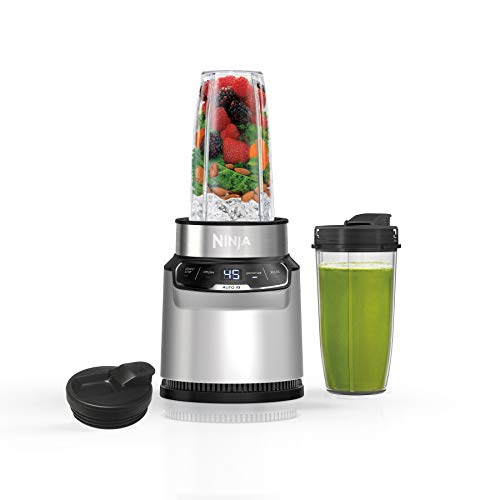 Ninja Nutri-Blender Pro with Auto iQ
- 1100-peak-watt motor powers through the toughest ingredients and…
- 2 Auto-iQ preset programs combine unique timed pulsing,…
- Pro Extractor Blades Assembly unlocks hidden nutrition by…
| Product | Key specs | |
|---|---|---|
| Ninja Fit Compact Personal Blender | The powerful 700-watt push-to-blend motor base powers through… NUTRIENT EXTRACTION* DRINKS: Unlock hidden vitamins and nutrients… Crush ice and pulverize frozen ingredients for resort-like… | Check price |
| Ninja Nutri-Blender Pro with Auto iQ | 1100-peak-watt motor powers through the toughest ingredients and… 2 Auto-iQ preset programs combine unique timed pulsing,… Pro Extractor Blades Assembly unlocks hidden nutrition by… | Check price |
 Ninja Nutri-Plus Personal Blender | Check price | |
 Ninja Professional Plus Blender | Check price |
As an Amazon Associate we earn from qualifying purchases at no extra cost to you.
Top Picks at a Glance
- Best Overall: Ninja Professional Plus BN701, 1400 peak watts, 72 oz pitcher, 3 Auto-iQ programs.
- Best Value Pitcher: OMMO 1800W, a 60 oz jar and ice-crushing blades at a lower price tier.
- Best Single-Serve: Ninja Nutri-Blender Pro BN401, 1100 peak watts and two 24 oz cups.
- Best Pitcher Plus Cups: nutribullet Full-Size Blender Combo NBF50500, 1200W with a pitcher and single-serve cups.
- Best Budget Glass Jar: Hamilton Beach Power Elite, 40 oz glass jar and a wave-action design.
- Best Budget Personal: KOIOS 900W, three to-go cups (two 23 oz and one 16 oz) for light daily smoothies.
Quick Comparison Table
| Product | Best for | Key specs | Watch for | Price tier |
|---|---|---|---|---|
| Ninja Professional Plus BN701 | Family batches, daily frozen fruit | 1400 peak watts, 72 oz pitcher, 3 Auto-iQ presets | Large footprint, loud at full speed | Mid-range |
| OMMO 1800W Blender | Value pitcher blending | 1800W, 60 oz BPA-free jar, stainless blades | Brand track record and parts not listed | Budget to mid-range |
| Ninja Nutri-Blender Pro BN401 | One or two servings at a time | 1100 peak watts, two 24 oz cups, 2 Auto-iQ programs | Cups need liquid and layering | Mid-range |
| nutribullet Full-Size Combo NBF50500 | Pitcher and single-serve cups together | 1200W, pitcher plus cups | More parts to wash and store | Mid-range |
| Hamilton Beach Power Elite | Light frozen use on a budget | 40 oz glass jar, 12 functions, wave action system | Wattage not listed in the title; best with thawed edges | Budget |
| KOIOS 900W Personal | Dorm or office single servings | 900W, cups of 23 oz and 16 oz, 3 cups total | Small cups, small batches only | Budget |
How Much Blender Do Frozen Fruit Smoothies Need?
A useful rule is to match the blender to the batch. A 16 to 24 ounce cup makes one smoothie. A 40 ounce jar makes about two. A 72 ounce pitcher is built for four to six servings, although the usable working volume is smaller than the printed number because you must leave room at the top for the vortex.
| Household | Typical batch | Container that fits | Pick from this list |
|---|---|---|---|
| One person, daily | 12 to 20 oz | 20 to 24 oz cup | Ninja Nutri-Blender Pro BN401 or KOIOS |
| Two people | 24 to 32 oz | 40 oz jar or pitcher | Hamilton Beach Power Elite or OMMO |
| Family of four | 48 oz or more | 72 oz pitcher | Ninja BN701 |
| Mixed use, smoothies plus meal prep | Varies | Pitcher plus cups | nutribullet NBF50500 |
Power is the second filter. Peak watts are a marketing number measured at the instant of start-up, so an 1800W blender and a 1400 peak-watt blender do not behave like a simple ranking. What matters more is the stack of blades, the pitcher shape and whether the base is heavy enough to stay put. We treat peak watts as a rough tier, not a promise.
1. Ninja Professional Plus BN701: Best Overall for Frozen Fruit
- Motor: 1400 peak watts
- Container: 72 oz pitcher
- Programs: 3 Auto-iQ presets for smoothies, frozen drinks and ice crushing
- Blades: stacked crushing blades (the maker lists Total Crushing technology across the family)
- Weight and noise level: not listed
Best for: households that blend frozen fruit most mornings and want a preset that does the timing for them.
Skip if: you live alone, because a 72 ounce pitcher is awkward for one 16 ounce drink.
The BN701 is the safest starting point because it combines the biggest motor tier in this list with a pitcher large enough to make a real batch. The Auto-iQ presets pulse and pause on a timer, which matters with frozen fruit: the pauses let chunks fall back toward the blades instead of riding on top of the vortex. If you have ever stood over a blender pressing a button repeatedly, a preset is the feature that removes that chore.
In practice, load the liquid first, then yogurt or fresh fruit, then the frozen fruit on top, and keep the total below the max line. Frozen mango, berries and banana coins are the usual cases people care about; with a 1400 peak-watt base they are well inside what this class of blender is designed for. Fibrous greens such as kale will still need a long run or a pre-chop.
The trade-off is size. A 72 ounce pitcher with a tall handle does not fit under every cabinet, so measure the gap between your counter and the shelf before ordering. Cleaning is simple if you rinse right after use: add warm water and a drop of dish soap, run a short pulse and rinse.
Pros
- Large motor tier for dense frozen fruit
- Presets handle timing and pauses
- 72 oz pitcher suits family batches
- Easy to find replacement lids and pitchers
Cons
- Tall and wide on the counter
- Loud when crushing ice
- Overkill for one small drink
2. OMMO 1800W Blender: Best Value Pitcher
- Motor: 1800W (maker’s rating, peak or continuous not stated in the title)
- Container: 60 oz BPA-free jar
- Blades: durable stainless steel blades, listed for ice crushing
- Controls and presets: not listed
- Weight and noise level: not listed
Best for: shoppers who want a big motor number and a large jar at a lower price tier than the major brands.
Skip if: you value a long track record and easy replacement parts, because this brand is newer and parts support is not listed.
The OMMO is the value play in this list. An 1800W rating and a 60 ounce jar are the kind of numbers you normally see in more expensive machines. For frozen fruit smoothies that translates to a base that should have headroom for frozen berries, mango chunks and ice, as long as you load it sensibly with liquid first and frozen fruit last.
A big wattage figure is only half the story. Jar shape, blade angle and the quality of the coupling between motor and blade decide how well the power reaches the fruit. Because we did not personally use this blender and long-term durability data is thin, we treat it as a promising budget-minded pick rather than a proven workhorse.
If you buy it, start with short pulses to break up large frozen chunks, then run on high. Keep the total volume under the max line, and check the lid fits tightly before every run. If you want a proven ecosystem with easy access to spare jars and lids, the Ninja BN701 is the safer choice.
Pros
- High wattage rating for the price tier
- Large 60 oz jar
- Stainless steel blades listed for ice
- Suitable for family batches
Cons
- Less brand track record
- Presets and tamper not listed
- Replacement part availability not listed
3. Ninja Nutri-Blender Pro BN401: Best Single-Serve
- Motor: 1100 peak watts
- Containers: two 24 oz cups
- Programs: 2 Auto-iQ presets
- Style: blend in the cup, then swap on a lid
- Cup lid type and travel seal: not listed
Best for: one or two people who want a frozen fruit smoothie in the cup they will drink from, with minimal cleanup.
Skip if: you often make drinks for three or more people at once.
Cup blenders invert onto the base and spin the blade assembly from the bottom. That design is excellent at pulling frozen fruit toward the blades because gravity is on your side, but it demands that you layer correctly: liquid at the bottom, soft items next, frozen items on top, and a fill level below the max line. Follow that order and the BN401 does the work of a larger machine in a fraction of the washing time.
The two Auto-iQ programs are simple pulse-and-run patterns that take a lot of guessing out of the process. Because the vessels are 24 ounce cups, a full cup of mostly frozen fruit and a little liquid is realistic here, but a half-frozen, half-liquid recipe will blend smoother and keep the motor happier over years of use.
Two cups means one can be washed while you drink from the other, or you can prep two smoothies the night before and keep one in the fridge. That is a quiet advantage for busy weekdays.
Pros
- Blend and drink from the same cup
- Good strength tier for frozen fruit in small batches
- Two cups included
- Compact compared with pitchers
Cons
- Layering order matters
- Cannot make large batches
- Blade assembly is a part that wears over time
4. nutribullet Full-Size Blender Combo NBF50500: Best Pitcher Plus Cups
- Motor: 1200W
- Containers: full-size pitcher plus single-serve cups (sizes not listed here)
- Use: one base for family batches and single servings
- Presets: not listed
- Dimensions and weight: not listed
Best for: people who want both a family-size batch on weekends and a grab-and-go cup on weekdays.
Skip if: you have little cabinet space, since every extra container needs a home.
The combo format puts a pitcher and smaller cups on one motor base. If your household has different needs, such as one person who wants a protein smoothie before work and a family who wants a pitcher of frozen fruit slush at the weekend, one 1200W base can serve both. That is cheaper and neater than owning two blenders.
Single-serve cups are the better choice for fibrous or seedy blends because the blade sits close to the ingredients, while the pitcher handles bulk blending and crushed ice. The result is flexibility that a pitcher-only or cup-only machine cannot match.
The main downside is parts management. A pitcher lid, a blade assembly, cups and lids all need washing and drying. If you are the sort of person who prefers one container and one lid, choose the Ninja BN701 instead.
Pros
- One base, two ways to blend
- 1200W motor tier
- Good for households with different schedules
- Familiar single-serve cup style
Cons
- More parts to clean and store
- Cup and pitcher sizes not listed in our research
- Presets not listed
5. Hamilton Beach Power Elite: Best Budget Glass Jar
- Container: 40 oz glass jar
- Functions: 12, including puree and ice crush per the listing
- Design: wave action system that pushes ingredients back into the blades
- Motor wattage: not listed in the title
- Jar material: glass
Best for: light frozen fruit use, such as a banana-berry smoothie with half-frozen fruit, in a budget kitchen.
Skip if: you plan to blend rock-hard frozen mango every day, because a lower motor tier will work harder.
A glass jar does not stain or hold smells the way plastic can, and it does not scratch from ice. That is a real advantage for smoothie makers who add turmeric, spinach or berries and want a clean-looking jar a year later. The wave action system in the Hamilton Beach design uses the jar shape and blade to move ingredients down, which helps with sticky frozen fruit.
With any lower-powered blender, you can get good results by letting the frozen fruit thaw for a few minutes on the counter, using enough liquid and starting on a low speed. Cut very large frozen chunks smaller. Treat this as the sensible budget choice for two people who blend a few times per week rather than as a heavy-duty machine.
Weight is the other trade-off. Glass is heavier than plastic, so the jar is a little less friendly to people with sore wrists, and it can break if dropped.
Pros
- Glass jar resists stains and odors
- Budget price tier
- Lots of functions for the money
- Simple to clean
Cons
- Motor wattage not shown in the title
- Glass can chip or break
- Slower on dense frozen chunks
6. KOIOS 900W Personal Blender: Best Budget Personal
- Motor: 900W
- Cups: three to-go cups (two 23 oz and one 16 oz)
- Style: single-serve, blend in the cup
- Programs: not listed
- Cup material details: not listed beyond the maker’s BPA-free claim
Best for: students, desk workers and first apartments that need an inexpensive smoothie maker.
Skip if: you want to blend more than about 20 ounces at a time.
The KOIOS packs a 900W base and several cups into a low price tier. For frozen fruit smoothies it is a sound starter: add liquid, add fruit, press and shake it loose halfway if needed. Because it does not list a presets chip, you are in control of how long it runs, which is useful for learning how your own recipes behave.
Cheaper personal blenders tend to have a shorter run time before the motor heats up, so use short bursts and give the base a minute to cool between batches. Check the cup threads for cross-threading, a common issue with any blade-on-cup design.
If your budget allows, a Ninja cup system will be quieter and more durable over years, but the KOIOS is a respectable entry point and the extra cups are handy for meal prep.
Pros
- Low price tier
- Three cups included
- Good power tier for a personal blender
- Compact
Cons
- Small batches only
- Limited durability information
- No presets listed
Also Consider
Ninja Nutri-Plus BN301
A 900 peak-watt personal blender with three 20 oz cups, a step below the BN401 in power but friendly to small counters.
Ninja UltraCrush Professional BP201
A 1000W, 72 oz pitcher with three manual speeds; a simple alternative to the BN701 if you do not want presets.
Ninja Professional Plus DUO BN751
A 1400 peak-watt base with a pitcher and to-go cups, the Ninja answer to the nutribullet combo.
Ninja Fit QB3001SS
A compact 700W personal blender with two 16 oz cups; best for light frozen berry smoothies.
How We Chose
We built this list from manufacturer product pages, listing details and the specs printed in each product title, then cross-checked how the blender styles (pitcher, cup and glass jar) behave with dense frozen ingredients against widely published appliance guidance from consumer review publications. We did not personally use these products and we do not claim lab measurements.
Our criteria were motor tier, container size, blade design, presets, ease of cleaning and replacement parts. We limited each brand to a few models, left out anything that was not clearly on sale, and avoided any claims we could not confirm. Prices are shown as tiers (Budget, Mid-range, Premium) because retail prices move daily.
Buying Guide
Pitcher, cup or jar?
A pitcher is best for four or more servings and for mixed jobs such as soups or crushed ice. A cup system is best for one drink at a time and the shortest cleanup. A glass jar is best for people who want a durable, stain-free container and blend two servings. If you rarely make more than one smoothie, a cup blender beats a pitcher because the blade sits closer to the ingredients.
Motor power tiers
Under about 700 watts is fine for fresh fruit and soft frozen banana. Between 900 and 1100 watts is the working range for frozen fruit in single-serve cups. 1000 to 1400 peak watts in a pitcher is where frozen mango, pineapple chunks and ice are comfortable. Treat these thresholds as a guide because manufacturers do not measure wattage the same way.
Blade design
Stacked blades with several levels reach different heights of the pitcher and help break up frozen layers. Flat two-blade assemblies work in cups but leave more unblended material at the top of a tall pitcher. Always check that the blade assembly is replaceable; it is the part that dulls and leaks first.
Presets and tamper
Presets pulse and pause in a program that saves effort. A tamper stick helps pitchers that stall on thick mixes, but none of the pitchers listed here include one in the title, so rely on adding liquid and stopping to stir. If you like very thick smoothie bowls, plan to stop and scrape.
Noise, size and cleaning
Powerful blenders are loud. Run them for 30 to 60 seconds, not minutes. Measure your cabinet height before buying a pitcher. Rinse the container immediately after use, and use warm water with a drop of soap to clean most blenders in 15 seconds.
Common Frozen Smoothie Mistakes
Most smoothie problems are technique, not hardware. Fix these before blaming the blender.
- Wrong order: put liquid first, soft ingredients second, frozen last.
- Too little liquid: use at least enough to cover the blade in cup models.
- Overfilling: stay below the max line.
- Giant frozen blocks: break up fruit that froze into a clump.
- Running too long: friction warms the smoothie; stop when it is smooth.
Frequently Asked Questions
What is the best blender for frozen fruit smoothies?
The Ninja Professional Plus BN701 is our top pick for most households because of its 1400 peak-watt motor, 72 oz pitcher and presets. For one person, the Ninja Nutri-Blender Pro BN401 is the better fit.
Can a cheap blender handle frozen fruit?
A budget blender can handle lightly frozen or partly thawed fruit if you add enough liquid and blend in short bursts. For hard frozen mango or pineapple chunks every day, a stronger motor tier lasts longer.
Should I thaw frozen fruit first?
You do not have to, but letting fruit sit for one to two minutes before blending softens the surface and reduces the strain on a weaker motor.
Pitcher or personal cup for smoothies?
Choose a cup if you make one drink at a time and want fast cleanup. Choose a pitcher for four or more servings or if you also use the blender for soups and crushed ice.
How do I stop a blender from stalling on frozen fruit?
Add liquid first, break up large frozen pieces, stay below the max line and stop to stir if the blade spins without pulling fruit down. Presets with pauses help.
Is a glass jar better than plastic?
Glass resists stains and odors and does not scratch, but it is heavier and can break. Plastic is lighter and safer to drop.
Do peak watts matter?
Peak watts are a rough way to compare tiers, not a precise measure of crushing performance. Blade design and container shape matter as much.
Which One Should You Buy?
If you blend frozen fruit most mornings for a family, buy the Ninja Professional Plus BN701. If you want to save a little and do not need a famous name, the OMMO 1800W is the value pitcher. If you make one smoothie at a time, the Ninja Nutri-Blender Pro BN401 is the best fit. If you need both, the nutribullet combo covers every job. On a tight budget, the Hamilton Beach glass jar suits light use and the KOIOS suits one-person dorm kitchens.
Whichever you choose, layer liquids first, keep the jar below the max line and be patient with the first 10 seconds. Smoothie quality depends on technique as much as wattage.
Sources
- Ninja Kitchen product pages for the BN701 and BN401
- Hamilton Beach Power Elite product page
- OMMO, nutribullet and KOIOS blender product information
- Consumer appliance review publications on blender performance with ice and frozen fruit
- Manufacturer care and use manuals for cup and pitcher blenders
Last updated: October 2026

Write Your Review
No reviews yet. Be the first to share your experience!