

Key takeaways
- Under roughly $150: prioritize a balanced alloy bat. It is generally the safest value for a player who is growing quickly or needs a bat for both games and regular practice.
- About $150–$350: this is where many competitive alloy and composite youth bats, as well as BBCOR options, sit. Spend more only if the player benefits from a better-balanced swing, reduced vibration, or a larger effective barrel.
- Above roughly $350: premium composite and advanced multi-piece bats may offer refined feel, but they do not compensate for an incorrect length, drop, or certification.
- New hitter: choose a balanced bat with a moderate barrel and a lighter drop. Control and repeatable contact matter more than maximum exit speed.
- Experienced power hitter: consider a slightly end-loaded design if the player can maintain bat speed. End loading adds mass toward the barrel and can improve impact power, but it makes the bat slower to start and harder to stop.
- Frequent practice: use a durable alloy or a dedicated training bat for high-volume sessions. Saving a premium composite for game use can reduce unnecessary wear.
Best Baseball Bats for Power and Control
The best baseball bats are the lightest legal models that still let the hitter drive the barrel through the zone without losing balance: choose a two-piece composite for maximum swing comfort, a one-piece alloy for quick feedback and value, or a wood bat for traditional feel and adult wood-bat leagues.
Quick picks by player and situation
| Situation | Best bat type | Typical specification | Why it fits |
|---|---|---|---|
| Young player still learning contact | Balanced alloy | 28–30 inches, drop -10 to -12 | Easy to control, durable, and usually less expensive |
| Competitive youth player seeking more barrel pop | Two-piece composite | 30–32 inches, drop -8 to -10 | Large sweet spot and reduced vibration on mishits |
| High-school or college player | BBCOR alloy or composite | 31–34 inches, drop -3, 2 5/8-inch barrel | Meets the common BBCOR size and performance limits |
| Adult recreational wood-bat league | Maple or birch wood | 32–34 inches, commonly 29–31 ounces | Direct feedback and a traditional, demanding swing |
| Budget-conscious player who practices often | One-piece alloy | League-legal length and drop | Less vulnerable to cold-weather cracking than composite |
Alloy vs. composite vs. wood
Alloy bats: responsive, durable, and predictable
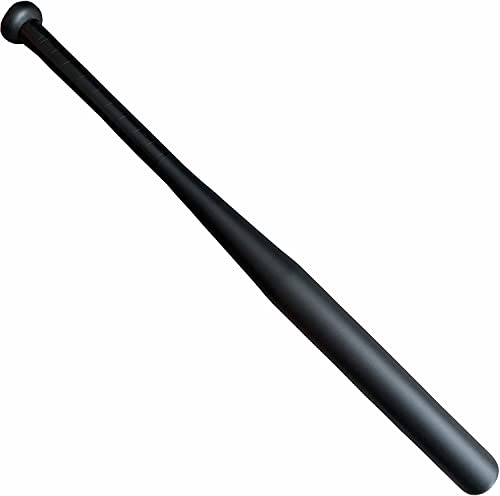
Aluminum alloy bats are usually one-piece designs. They offer immediate feedback: a clean hit feels crisp, while a mishit can sting the hands. That feedback helps developing hitters learn where the barrel is making contact. Alloy bats also tend to perform consistently across a wider range of temperatures and are often the sensible choice for frequent practice, younger players, and buyers working within a moderate budget.
Our top picks



As an Amazon Associate we earn from qualifying purchases at no extra cost to you. Ratings are shown as listed on Amazon.
The trade-off is that a stiff one-piece barrel can feel harsh on off-center contact. Alloy barrels may also develop dents over time. A small dent can change the bat’s performance and may make it illegal, so inspect the hitting surface regularly.
Composite bats: easier swing, larger sweet spot
Composite bats use layered carbon-fiber material, commonly in a two-piece construction with a separate handle and barrel. The handle can flex slightly at impact, reducing vibration and making the bat feel easier to control. Composite barrels often have a broad effective hitting area, which is useful when contact is not perfectly centered.
Composite models usually cost more and require more care. They can crack if used in very cold conditions, against inappropriate balls, or during batting-practice sessions with excessive repetition. Some also need a break-in period before reaching their intended feel. Follow the manufacturer’s break-in instructions rather than repeatedly hitting the same spot on the barrel.
Wood bats: feedback and technique over forgiveness
Maple is dense and powerful but relatively unforgiving. Birch offers a little more flex and can be a practical compromise for players who want wood without the firmest feel. Ash has more flex and a lighter-feeling barrel, but its grain can flake when the bat is mishit.
Wood bats are not interchangeable with metal-bat models. A wood bat’s sweet spot is smaller, its barrel diameter may be different, and mishits can produce broken handles or splintering. Use only a bat approved by the relevant league, and retire it immediately if it develops a crack, deep split, or loose end piece.
How drop weight changes power and control
Drop weight is calculated as bat length minus bat weight in ounces. A 30-inch bat weighing 20 ounces is a drop -10 bat. A 32-inch bat weighing 29 ounces is a drop -3 bat.
| Drop | Example | Typical use | Swing effect |
|---|---|---|---|
| -12 | 30 inches, 18 ounces | Small or beginning youth players | Very easy to accelerate, less mass behind contact |
| -10 | 30 inches, 20 ounces | Common youth and travel-ball choice | Good maneuverability with useful power |
| -8 | 30 inches, 22 ounces | Stronger older youth players | More impact mass but noticeably heavier swing |
| -5 | 32 inches, 27 ounces | Some intermediate leagues | Power-oriented transition weight |
| -3 | 32 inches, 29 ounces | BBCOR high-school and college play | Heavier, more demanding, and commonly required |
Do not select the lightest bat automatically. If a player can swing a -10 bat quickly but loses barrel control with a -8, the lighter model may produce better real-world results. A simple check is to have the hitter hold the bat in one hand, with the arm extended, for about 10 seconds. If the barrel drops immediately or the player’s shoulder and wrist position change, the bat is probably too heavy for consistent control.
Barrel size and league rules
Barrel diameter affects both the hitting area and the bat’s weight distribution. Youth bats commonly use 2 1/4-inch barrels, while many larger youth bats use 2 5/8 inches. A 2 3/4-inch barrel appears in some youth formats, but it is not legal everywhere. Adult BBCOR bats generally use a 2 5/8-inch barrel and a maximum drop of -3.
For USA Baseball and USSSA youth leagues, the stamp and permitted dimensions matter more than a product description. A bat can be physically suitable yet illegal for a particular association. Before buying, check the league’s current rules for certification, barrel diameter, length, drop, and whether composite bats require a specific approval.
BBCOR bats are designed for high-school and college play in leagues that require that standard. A youth USA-certified bat is not a substitute for a BBCOR bat, even if both are similar in length. Adult recreational leagues may use BBCOR, wood, or their own approved equipment list.
Choosing by budget, experience, and playing frequency
- Under roughly $150: prioritize a balanced alloy bat. It is generally the safest value for a player who is growing quickly or needs a bat for both games and regular practice.
- About $150–$350: this is where many competitive alloy and composite youth bats, as well as BBCOR options, sit. Spend more only if the player benefits from a better-balanced swing, reduced vibration, or a larger effective barrel.
- Above roughly $350: premium composite and advanced multi-piece bats may offer refined feel, but they do not compensate for an incorrect length, drop, or certification.
- New hitter: choose a balanced bat with a moderate barrel and a lighter drop. Control and repeatable contact matter more than maximum exit speed.
- Experienced power hitter: consider a slightly end-loaded design if the player can maintain bat speed. End loading adds mass toward the barrel and can improve impact power, but it makes the bat slower to start and harder to stop.
- Frequent practice: use a durable alloy or a dedicated training bat for high-volume sessions. Saving a premium composite for game use can reduce unnecessary wear.
A practical sizing method
Start with the league’s legal range, then match the bat to the hitter rather than the other way around. For a youth player, place the knob near the center of the chest while the player stands upright; the barrel should reach approximately to the palm or wrist when the bat is held down alongside the leg. This is only a starting point. A player with above-average strength may manage a longer bat, while a smaller or less experienced player may need a shorter one.
Next, make 10 controlled swings. The hitter should be able to keep the barrel on plane, finish without falling toward the front side, and repeat the motion without obvious slowing. If the final swings become late or looped, reduce either length or weight. A bat that produces slightly less force but reaches the ball on time is usually the better choice.
Durability, storage, and common mistakes
Store composite and alloy bats indoors rather than in a cold car or an unheated garage. Avoid using game bats for hard, wet, weighted, or unusually heavy balls unless the manufacturer specifically permits them. Rotate the barrel during normal practice so impacts are not concentrated in one area, and never use a bat as a pry bar or fungo-style training tool unless it is designed for that purpose.
Clean the barrel with a soft cloth and mild soap; abrasive pads and solvents can damage the finish or obscure cracks. Check the end cap, knob, connection point, and barrel after every few practices. Rattling, a visible seam opening, a deep dent, excessive shell separation, or a crack is a reason to stop using the bat and consult the manufacturer’s warranty guidance.
Bottom line
For most youth players, a balanced alloy bat is the dependable starting point, while a two-piece composite is the upgrade for hitters who want a smoother feel and a larger forgiving area. For high-school and college players, start with the required BBCOR -3 specification and then choose balanced or end-loaded weighting. Choose wood only when the league requires or welcomes it and the hitter is ready for its smaller sweet spot. In every case, certification, correct drop weight, and repeatable swing control matter more than a premium price or the biggest barrel.







Write Your Review
No reviews yet. Be the first to share your experience!