

Key takeaways
- Best Overall: Crisco Pure Canola Oil 1 Gallon
- Best for Reuse: AVO High-Oleic Sunflower Oil 1 Gallon
- Best Budget: Crisco Frying Oil Blend 1 Gallon
- Best High Smoke Point: AVO High Oleic Safflower Oil 1 Gallon, 510°F per the listing
- Best Organic Small Bottle: La Tourangelle Organic High Oleic Sunflower Oil 33.8 fl oz
- Best Expeller-Pressed: Baja Precious High Oleic Sunflower Oil 1 Gallon
The best oil to fry french fries for most home cooks is a neutral, high-heat oil such as canola, high-oleic sunflower or safflower; Crisco Pure Canola Oil is the easy everyday pick, and AVO High-Oleic Sunflower Oil is the better choice if you reuse the oil. French fries are usually fried at 325°F to 375°F, so you need an oil with a smoke point comfortably above that and a flavor that does not compete with the potato. This guide compares six real oils by type, size, smoke point where listed and use, and explains how to fry, strain and store the oil safely. It also notes how little oil you need if you are using an air fryer.
Our top picks


As an Amazon Associate we earn from qualifying purchases at no extra cost to you.
Top Picks at a Glance
- Best Overall: Crisco Pure Canola Oil 1 Gallon
- Best for Reuse: AVO High-Oleic Sunflower Oil 1 Gallon
- Best Budget: Crisco Frying Oil Blend 1 Gallon
- Best High Smoke Point: AVO High Oleic Safflower Oil 1 Gallon, 510°F per the listing
- Best Organic Small Bottle: La Tourangelle Organic High Oleic Sunflower Oil 33.8 fl oz
- Best Expeller-Pressed: Baja Precious High Oleic Sunflower Oil 1 Gallon
Frying Oil Comparison Table
| Product | Best for | Key specs | Watch for | Price tier |
|---|---|---|---|---|
| Crisco Pure Canola Oil 1 Gallon | home cooks who fry fries in a pot or countertop fryer and want a neutral, widely available oil | 1 gallon; refined canola; neutral flavor; widely available | Smoke point not on the listing title | Budget |
| Crisco Frying Oil Blend 1 Gallon | shoppers who want an oil labeled specifically for frying | 1 gallon; frying oil blend | Blend composition is on the label | Budget |
| AVO High-Oleic Sunflower Oil 1 Gallon | frying more than once with the same batch of oil and wanting a neutral flavor | 1 gallon; non-GMO; neutral; high-oleic sunflower | Higher price than canola | Mid-range |
| AVO High Oleic Safflower Oil 1 Gallon | deep frying at high temperature or in a restaurant-style setup | 1 gallon; 510°F smoke point; non-GMO; high-oleic safflower | Not widely stocked in stores | Mid-range |
| La Tourangelle Organic High Oleic Sunflower Cooking Oil 33.8 fl oz | occasional frying and shoppers who prefer organic oil in a smaller bottle | 33.8 fl oz; organic; high-oleic sunflower | Small volume | Premium |
| Baja Precious High Oleic Sunflower Oil 1 Gallon | shoppers who want an expeller-pressed, 100 percent pure high-oleic sunflower oil | 1 gallon; 100% pure; expeller pressed; high-oleic sunflower | Less widely known brand | Mid-range |
Price tiers are relative: Budget is the lowest cost per ounce in this group, Mid-range is in the middle, and Premium has the highest cost per ounce. Check the current price and size on the product page.
1. Crisco Pure Canola Oil 1 Gallon: Best Overall for Everyday Fries
- Type: refined canola oil
- Size: 1 gallon
- Brand: Crisco
- Flavor: neutral for frying (general characteristic)
- Smoke point: not listed in the title; check the label
Best for: home cooks who fry fries in a pot or countertop fryer and want a neutral, widely available oil. Skip if: you want a specific flavor such as beef tallow or peanut.
Canola oil is the quiet default for home frying, and the Crisco gallon jug is the easiest way to buy it. The oil is neutral, so the flavor of the potatoes comes through, and a gallon is enough for a standard pot of fries with some left over for a second batch. Canola has a moderate smoke point that sits comfortably above the 325°F to 375°F range most fry recipes use, although the listing does not state a number, so read the bottle.
The practical advantage is availability and price: it is one of the cheapest ways to get a full pot of oil. The trade-off is that canola is not the most heat-stable option for repeated reuse, so if you plan to filter and reuse the oil several times, a high-oleic oil may last longer. For a weekend batch of fries, though, canola is hard to beat.
Pros
- Neutral flavor
- Gallon size for a full pot
- Widely available
- Low price tier
Cons
- Smoke point not stated in the listing
- Not the longest-lasting oil for repeated reuse
2. Crisco Frying Oil Blend 1 Gallon: Best Purpose-Made Frying Blend
- Type: frying oil blend
- Size: 1 gallon
- Brand: Crisco
- Composition: see the product label
Best for: shoppers who want an oil labeled specifically for frying. Skip if: you want a single-ingredient oil.
This Crisco product is sold as a frying oil blend rather than a generic vegetable oil, which signals that it is meant for higher-heat cooking. The listing does not detail the ingredients or smoke point, so you will need to read the label to see which oils are included and whether they match your preferences.
A purpose-made blend is a reasonable choice if you fry often and want a bottle that is clearly labeled for the job. It is also helpful for people who do not want to think about oil types; you pour, heat to your recipe’s temperature and fry.
Pros
- Labeled for frying
- 1 gallon
- Known brand
- Low price tier
Cons
- Composition not shown in the listing title
- Less transparent than single-ingredient oils
3. AVO High-Oleic Sunflower Oil 1 Gallon: Best High-Oleic Sunflower Value
- Type: high-oleic sunflower oil
- Size: 1 gallon
- Claims: non-GMO, neutral flavor per the listing
- Use: frying, baking, sauteing per the listing
Best for: frying more than once with the same batch of oil and wanting a neutral flavor. Skip if: you only fry once in a while and want the lowest price.
High-oleic sunflower oil is bred to have a fatty-acid profile that holds up well to heat, which is why restaurants often choose it for fryers. The AVO gallon is described as non-GMO with a neutral flavor, and the listing says it holds up to frying. Neutral flavor matters for fries, because you do not want the oil to compete with the potato.
At a mid-range price it costs more than canola, but if you filter and reuse the oil a few times, the extra cost can balance out. As with any oil, the number of reuses depends on what you fry, the temperature and how well you strain the oil, so treat any promise of ‘many reuses’ with caution.
Pros
- High-oleic for heat stability
- Neutral flavor
- Gallon size
- Non-GMO per the listing
Cons
- Higher price tier
- Smoke point is on the label, not in the listing summary
4. AVO High Oleic Safflower Oil 1 Gallon: Best High Smoke Point
- Type: high-oleic safflower oil
- Size: 1 gallon
- Smoke point: 510°F per the listing
- Claims: non-GMO per the listing
Best for: deep frying at high temperature or in a restaurant-style setup. Skip if: you cook mostly at moderate heat and want a cheaper oil.
The AVO safflower oil lists a 510°F smoke point, which is the highest figure among the oils in this guide. A high smoke point gives extra margin when you fry at the top of the range or when the oil is hot and busy with batches. French fries are typically fried at 325°F to 375°F, so you do not need a 510°F oil, but the headroom is useful if your thermostat is not perfectly accurate.
Safflower oil is also neutral, so it will not change the taste of the fries. The main drawback is cost and availability. If you are not frying often, a gallon may sit in your pantry for a long time, so choose a smaller bottle if the same oil is sold in a smaller size.
Pros
- 510°F smoke point per the listing
- Neutral
- Gallon size
- High-oleic
Cons
- Higher price
- May sit unused if you fry rarely
5. La Tourangelle Organic High Oleic Sunflower Cooking Oil 33.8 fl oz: Best Smaller Organic Bottle
- Type: organic high-oleic sunflower oil
- Size: 33.8 fl oz
- Brand: La Tourangelle
- Claims: kosher, gluten free per the listing
Best for: occasional frying and shoppers who prefer organic oil in a smaller bottle. Skip if: you need enough oil for a full deep-fryer.
La Tourangelle is a well-known specialty oil brand, and this bottle is organic high-oleic sunflower oil in 33.8 fl oz. It is a good choice for pan-frying fries in a shallow layer or for cooks who fry only occasionally and prefer not to store a gallon.
The trade-off is cost per ounce and volume. A full pot of fries needs more than a single 33.8 fl oz bottle in most pots, so use it for shallow frying, or buy two bottles. Also check the smoke point on the label.
Pros
- Organic
- Smaller bottle
- Known specialty brand
- Neutral flavor
Cons
- Higher cost per ounce
- Small for deep frying
6. Baja Precious High Oleic Sunflower Oil 1 Gallon: Best Expeller-Pressed Option
- Type: high-oleic sunflower oil, 100% pure
- Size: 1 gallon
- Processing: expeller pressed per the listing
Best for: shoppers who want an expeller-pressed, 100 percent pure high-oleic sunflower oil. Skip if: you want a nationally known brand.
Baja Precious sells a 1 gallon jug of 100 percent pure high-oleic sunflower oil that the listing describes as expeller pressed. Expeller pressed means the oil is extracted mechanically instead of with solvents, which some shoppers prefer.
For frying fries, the main concern is whether the oil is refined enough to handle heat; check the label for the smoke point. It is a reasonable alternative to AVO if you want a different brand or if the AVO jug is out of stock.
Pros
- Expeller pressed per the listing
- 100 percent pure
- Gallon size
- High-oleic
Cons
- Less well-known brand
- Smoke point not in the listing summary
Also Consider
- AVO Organic Canola Oil 64 fl oz: organic canola in a half-gallon size, with a 465°F smoke point stated in the listing.
- Crisco Pure Vegetable Oil 1 Gallon: a neutral, low-cost vegetable oil for general frying.
- 365 by Whole Foods Market Canola Oil 32 oz: a smaller canola bottle for shallow frying.
- Spectrum Organic Refined Safflower Oil High Heat 16 fl oz: a small high-heat organic option.
How We Chose
This guide is research-based. We did not personally use these products. We compared product listing details such as oil type, size and any smoke point or processing statement, and read independent food-science and cooking-publication guidance on frying oils and French fry temperatures. We covered a spread of oil types and price tiers, and we limit each brand to two main picks. Where a smoke point was not on the listing, we say so, and ask you to check the bottle. We make no nutrition or health claims about any oil; for dietary questions, consult a doctor or registered dietitian.
Buying Guide
Pick a neutral oil with a high smoke point
The smoke point is the temperature at which oil starts to smoke and break down. French fries are usually fried at 325°F to 375°F, so you want an oil with a smoke point of at least 400°F, and more headroom is better. Refined canola, high-oleic sunflower and safflower, and peanut oil all meet that threshold when refined. Unrefined and extra virgin oils generally have lower smoke points and stronger flavors, so they are a poor match for deep frying.
Refined versus unrefined
Refined oils are filtered to remove impurities that burn easily, which raises the smoke point and gives a neutral flavor. Unrefined oils keep more of their original flavor and color but burn at lower temperatures. For fries, refined oil is the safer pick.
High-oleic versus standard
High-oleic oils are bred or processed to have a fatty-acid profile that holds up to heat. Cooks who reuse oil or fry in batches often prefer them. Standard canola or vegetable oil works well for a single batch.
Size and cost per ounce
A pot of fries needs enough oil to cover the potatoes by an inch or two, usually 2 to 3 quarts in a heavy pot. A gallon jug is about 128 fl oz, which is enough for one fill plus a top-up. Smaller bottles suit shallow frying, but their cost per ounce is higher.
Peanut oil and other options
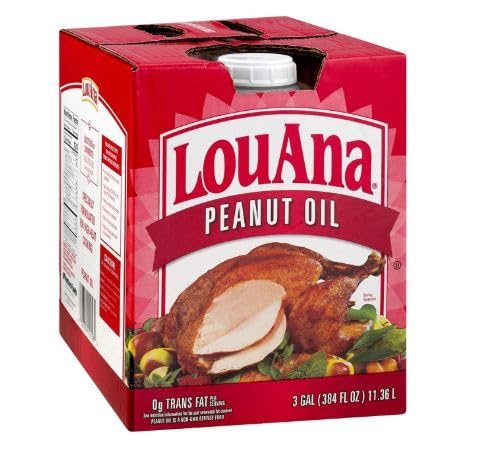
Peanut oil is a classic choice for fries because of its high smoke point and mild taste, but it is an allergen. If you cook for others, ask about allergies, and consider a seed-oil alternative. Beef tallow and lard also make flavorful fries, though they are not neutral and not suitable for every diet.
Mistakes When Frying French Fries
- Overcrowding the pot, which drops the oil temperature and makes fries greasy.
- Skipping a thermometer; guessing the temperature is the most common cause of pale or burnt fries.
- Putting wet potatoes into hot oil, which causes dangerous splattering.
- Filling the pot more than halfway, risking boil-over.
- Reusing oil that smells off or has darkened and smokes at low heat.
How to Fry French Fries Step by Step
- Cut potatoes into even sticks, about a quarter to three-eighths of an inch thick.
- Soak in cold water for 30 minutes, then drain and dry thoroughly. Dry potatoes splatter less.
- Heat the oil in a heavy pot to about 300°F to 325°F for the first fry, using a thermometer.
- Fry in small batches for several minutes until soft and pale, then drain and rest.
- Raise the oil to about 350°F to 375°F for the second fry and cook until golden and crisp.
- Drain on a rack or paper towels and season while hot.
The two-stage method gives a fluffy interior and a crisp exterior. Exact times depend on the cut and the pot, so use temperature and color as your guide.
Oil Comparison by Type
| Oil type | Flavor | Heat stability | Typical use |
|---|---|---|---|
| Refined canola | Neutral | Good | Everyday frying |
| High-oleic sunflower | Neutral | Very good | Reuse and batches |
| High-oleic safflower | Neutral | Very good, 510°F per one listing | High-heat frying |
| Peanut oil | Mild, nutty | Good | Classic fries, but a common allergen |
| Frying oil blend | Neutral | Varies by blend | General frying |
Safety Notes for Hot Oil
Use a deep, heavy pot and never fill it more than halfway. Keep the lid and a baking sheet nearby; if oil catches fire, turn off the heat and cover the pot, never pour water on it. Do not leave hot oil unattended, keep children and pets away, and let oil cool completely before handling.
Straining, Storing and Disposing
Let used oil cool, strain it through a fine mesh or cheesecloth, and store it in a covered container in a cool, dark place. Discard it if it smells rancid, looks dark or foams. Do not pour oil down the drain; seal it in a container and put it in the trash or take it to a local collection point.
Using Less Oil in an Air Fryer
If you air fry fries rather than deep fry them, you need only a tablespoon or so of oil for a basket. A neutral, high-heat oil such as canola or high-oleic sunflower works well, but check your air fryer manual about aerosol sprays, as some can damage nonstick baskets. Toss the potatoes in the oil in a bowl instead of spraying.
Worked Example: How Much Oil Does a Batch Need?
Suppose you are cooking fries for four people in a 5 Qt heavy pot. You should not fill the pot more than halfway, so the maximum oil depth is about 2.5 Qt, which is roughly 80 fl oz. A 1 gallon jug holds 128 fl oz, so one jug fills the pot once with about 48 fl oz left for a top-up or a second batch. A 33.8 fl oz bottle would only fill a shallow skillet, which is fine for small batches of thin fries but not for deep frying. If you plan to filter and reuse the oil, a gallon jug is the more economical size, because each reuse spreads its cost across more batches.
Choosing by How Often You Fry
- Once or twice a year: a small bottle of canola or sunflower oil is enough, and you can use it up in other cooking.
- Monthly: a gallon of canola or a frying blend keeps cost low.
- Weekly or for parties: a gallon of high-oleic sunflower or safflower makes sense, because it handles reuse and batches.
Flavor and Texture Notes
A neutral oil lets the potato taste carry the fries. Some cooks prefer a hint of flavor, for example from peanut oil, and some fry in a blend of oil and beef fat for a steakhouse taste. Texture depends more on technique than on oil: the potato variety, how well the sticks are dried, the two-stage method and the oil temperature matter more than the brand. A starchy potato such as a russet gives a fluffy center, while waxy potatoes tend to stay denser.
What to Do If the Fries Come Out Greasy
Greasy fries usually mean the oil was too cool or the pot was overcrowded. Fry in smaller batches, let the oil come back to temperature between batches and drain the fries on a rack. Pale fries mean the oil was too cool or the fry time was too short. Dark fries with a raw center mean the oil was too hot.
Reuse Schedule
For home use, a practical routine is to strain the oil after each use, store it covered, and replace it after a few uses or sooner if it smells or foams. Oil used for fish or heavily seasoned foods picks up flavors, so keep a separate batch for fries if you can. When in doubt, throw it out.
Frequently Asked Questions
What is the best oil to fry french fries?
For most home cooks, refined canola, high-oleic sunflower or high-oleic safflower oil is best because they are neutral and handle frying temperatures well. Peanut oil is a classic option, but it is an allergen.
What temperature should I fry french fries at?
Most recipes fry at 325°F to 375°F, often in two stages. Use a thermometer rather than guessing.
How much oil do I need?
Enough to cover the potatoes by an inch or two without filling the pot more than halfway. In a typical heavy pot that is 2 to 3 quarts.
Can I reuse frying oil?
Often yes, a few times, if you strain it and store it properly. Discard it if it smells off, darkens, foams or smokes at low heat.
Is canola oil good for frying fries?
Yes, refined canola is a common and affordable choice with a neutral flavor.
What is a high-oleic oil?
It is an oil from a variety or process that gives a fatty-acid profile more stable under heat. Sunflower and safflower are common examples.
Can I use olive oil for fries?
Refined or light olive oil can work, but extra virgin olive oil has a lower smoke point and strong flavor, so it is not ideal for deep frying.
Which One Should You Buy?
Choose Crisco Pure Canola Oil for affordable everyday frying, AVO High-Oleic Sunflower Oil or Baja Precious if you want to reuse the oil, AVO High Oleic Safflower Oil if you want the highest listed smoke point, the Crisco Frying Oil Blend for a clearly labeled budget option, and La Tourangelle for smaller organic bottles. Check the label for smoke point and size, and remember that safe handling matters more than the exact brand of oil.
Sources
- Crisco product pages
- AVO oil product pages
- La Tourangelle product page
- Baja Precious product page
- University extension guides on deep frying and oil safety
- Cooking-publication guides to frying oils and French fry technique
Last updated: October 2026



Write Your Review
No reviews yet. Be the first to share your experience!